PLYMOUTH
Plymouth's history can be traced back to a small Saxon settlement from which it had grown into a globally significant port city known for its pivotal role in exploration, naval power and international trade during the 19th Century. Reconstruction efforts after the second world war in accordance with the Abercrombie Plan changed the face of the city. The commercial centre was re-arranged along Armada Way, a grand avenue connecting the railway station in the north with the port in the south. Flamboyant modern buildings, reflecting the optimism of the 1950s provided all the shopping and entertainment that the modern city desired.
During the last 30 years, the decline of high street retail, strict zonal planning with associated functional separation and economic challenges associated with shrinking maritime industries had led to a decline of the town centre.
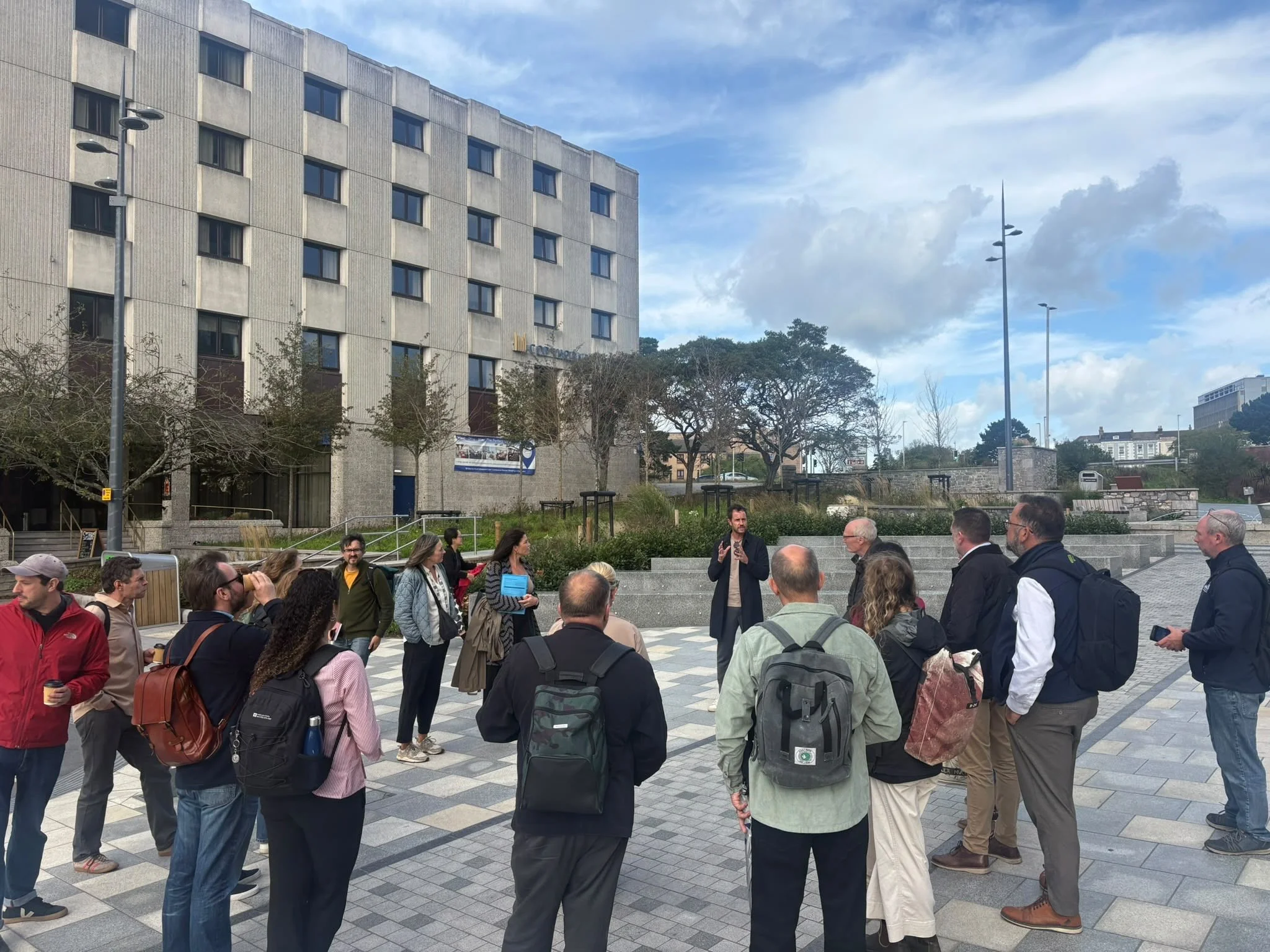
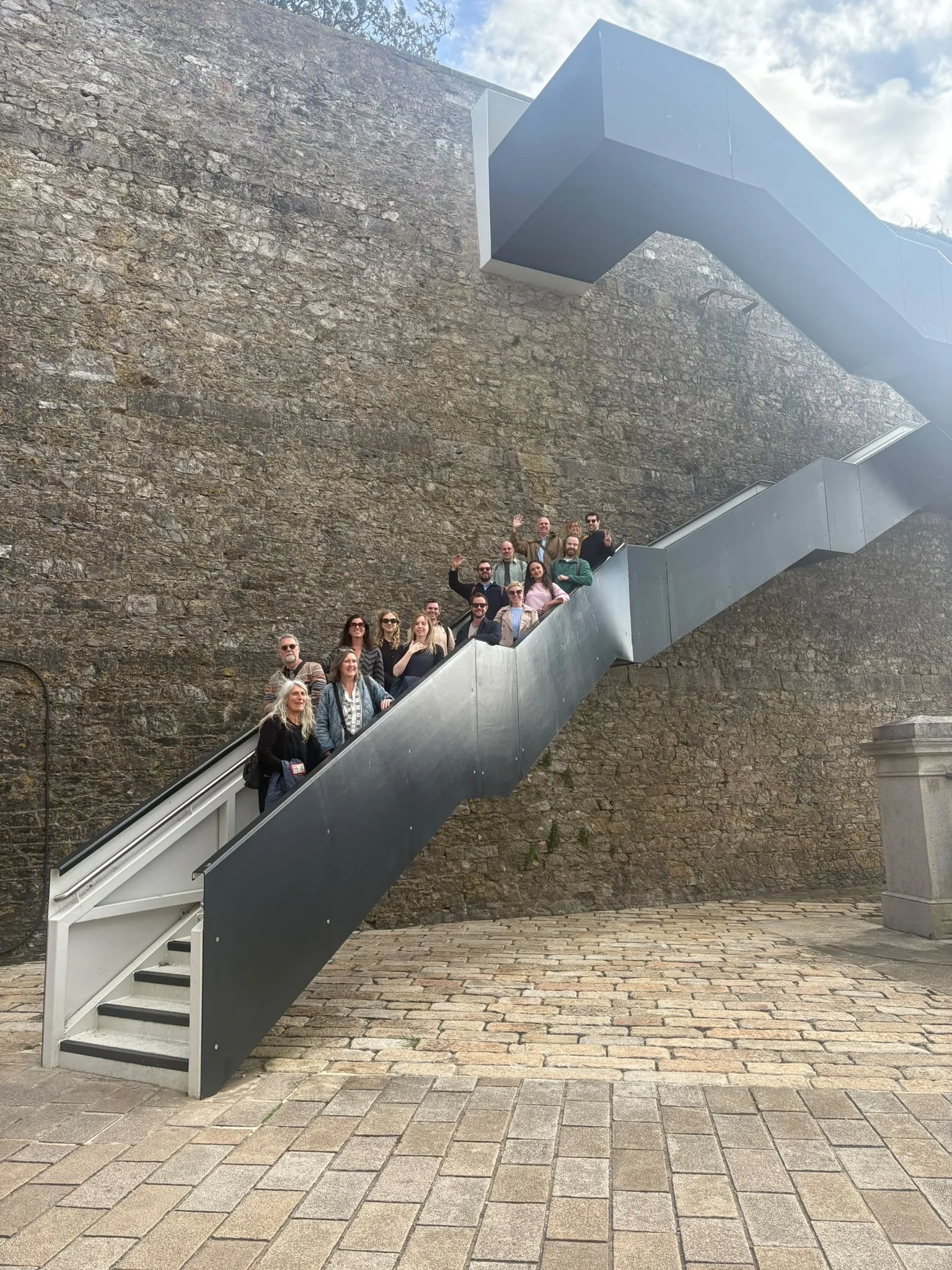
Plymouth has ambitious regeneration plans which are starting to materialise on the ground. A delegation including representatives from lymouth City Council, Plymouth Waterfront BID, Plymouth City Centre BID, Nudge Community Builders, Urban Splash and a handful of local consultants met PCUK members on 17 09 to show us around.
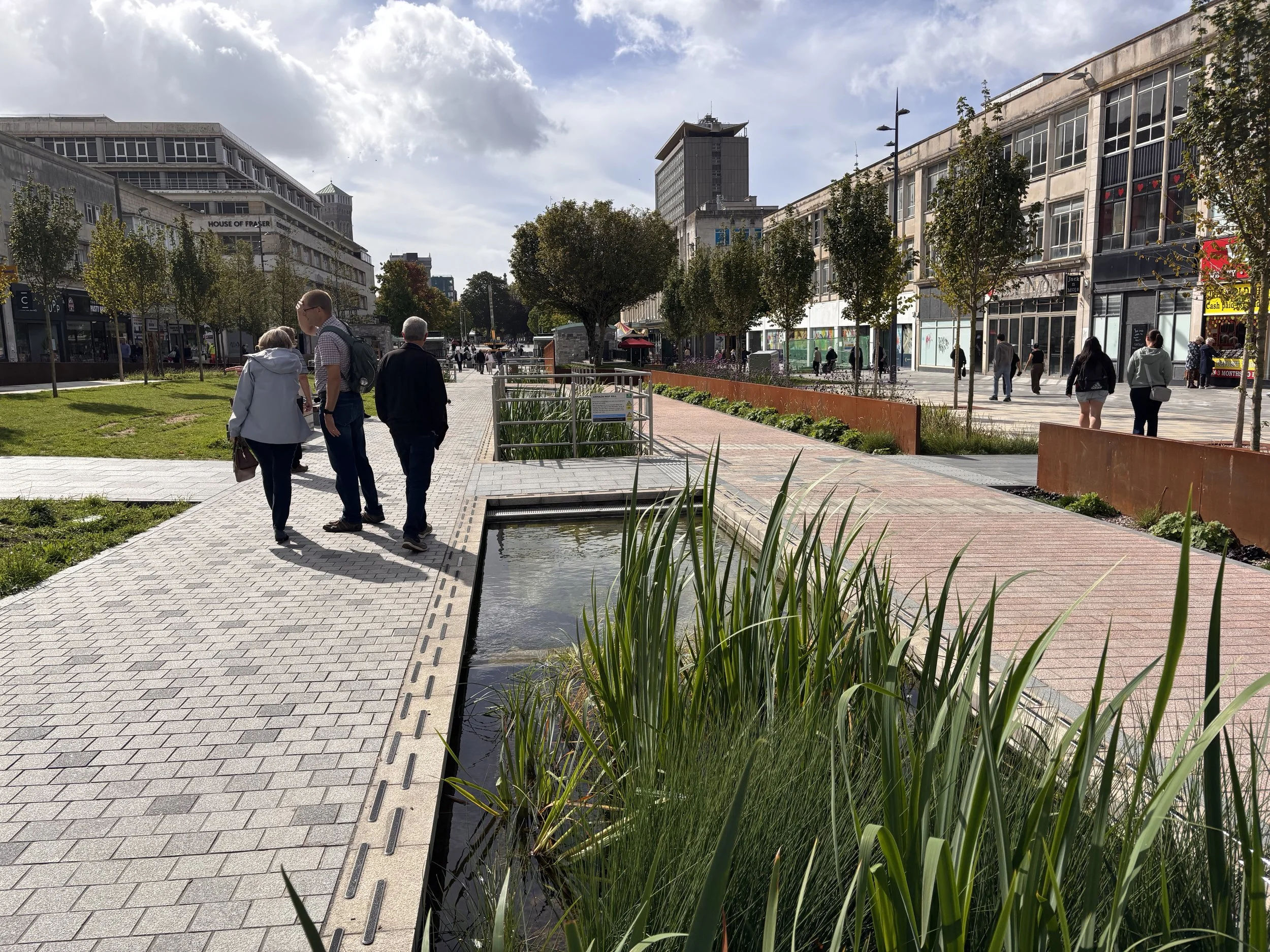
Our walk started at the top of Armada Way which had recently been comprehensively re-invented, now featuring the UKs longest city centre playground, amphitheatre seating for events and performance, shaded seating and 174 new trees. All along Armada Way, rainwater run-off is captured which is then filtered and pumped up the hill using solar-powered pumps to feed a linear wetland with a string of cascading pools. We heard how an initial vision to improve city-centre cycling infra-structure had grown to become an all-encompassing transformation of the town centre to bring new activity and new audiences onto the high street. The regeneration has already led to a 15% increase in footfall in the town centre.
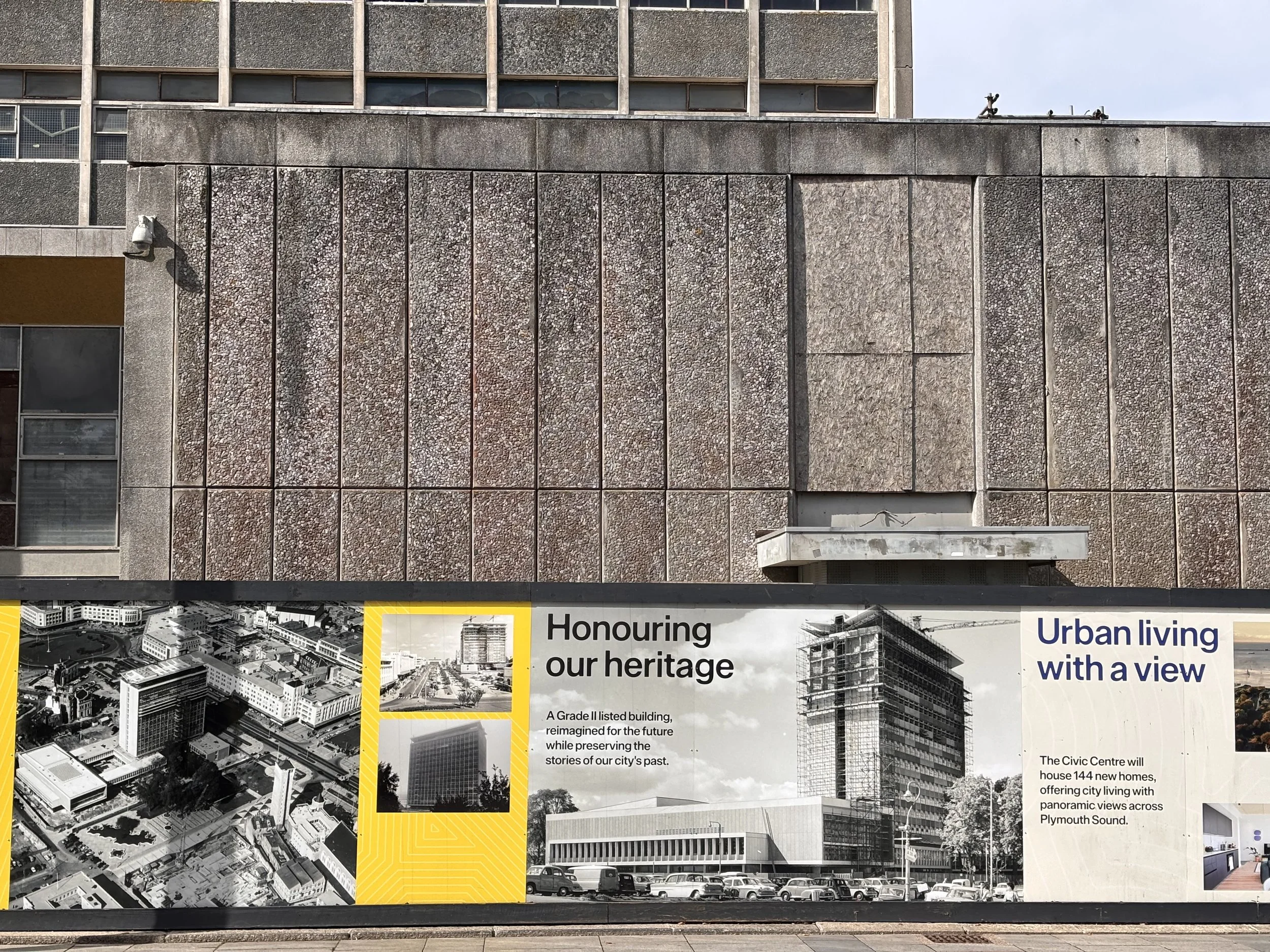
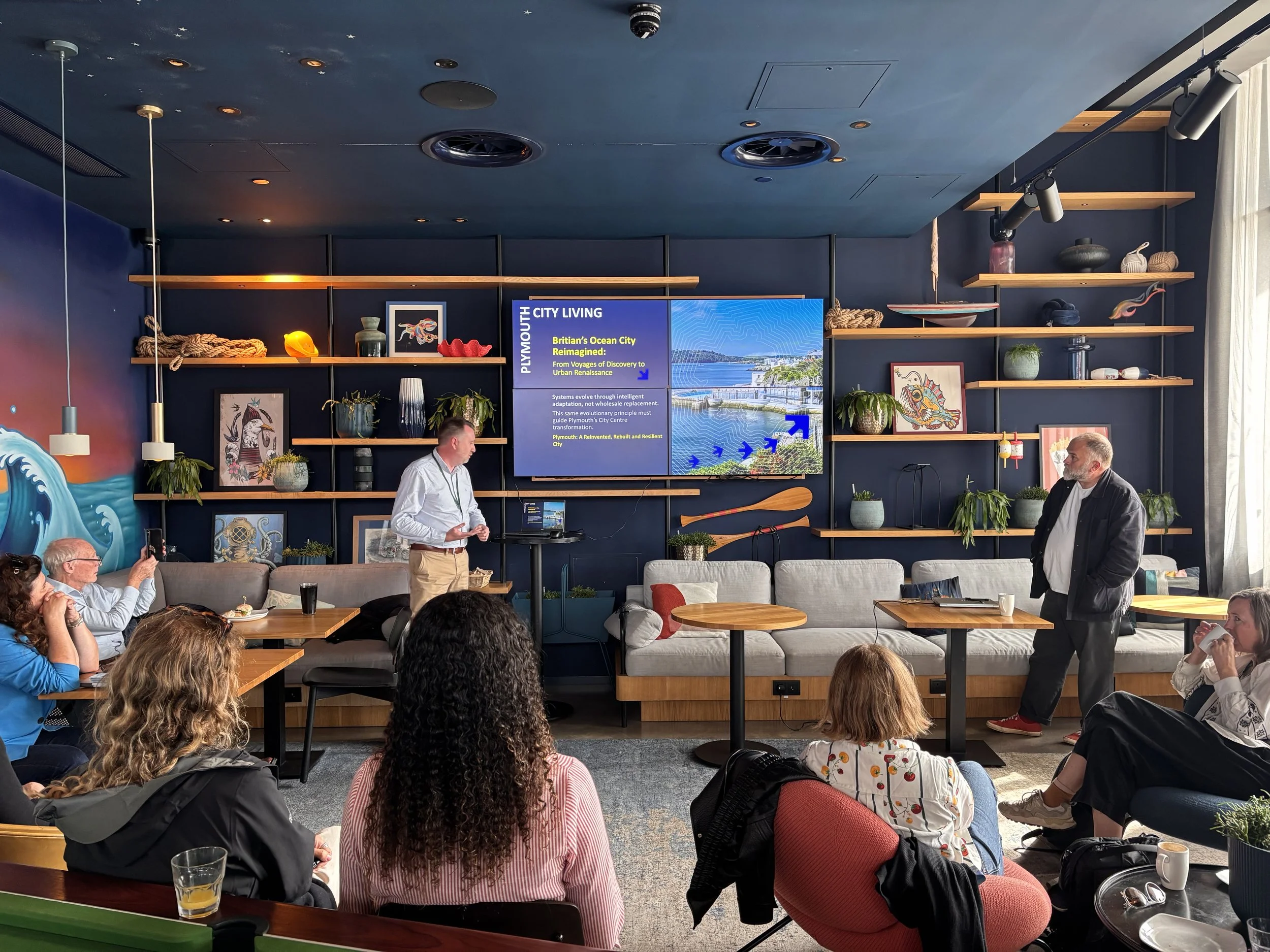
Down at the bottom of Armada Way stands the magnificent Civic Centre, a 14-storey municipal edifice conceived by Plymouth City Architect Hector J. W. Stirling in 1957 soon to be returned to its former glory through a £49.6 million investment. Public roof terraces with restaurants and build to rent apartments on the lower floors will bring classy city centre living, all part of the City Living Framework which will finally replace the out-dated functional zoning that has held Plymouth back for so many years. Just across the street, Babcock are investing to turn a vacant department store into office space for 2,000 people. Just around the corner is the Plymouth indoor market a 1950s, arched concrete and glass structure flooded with sunlight.
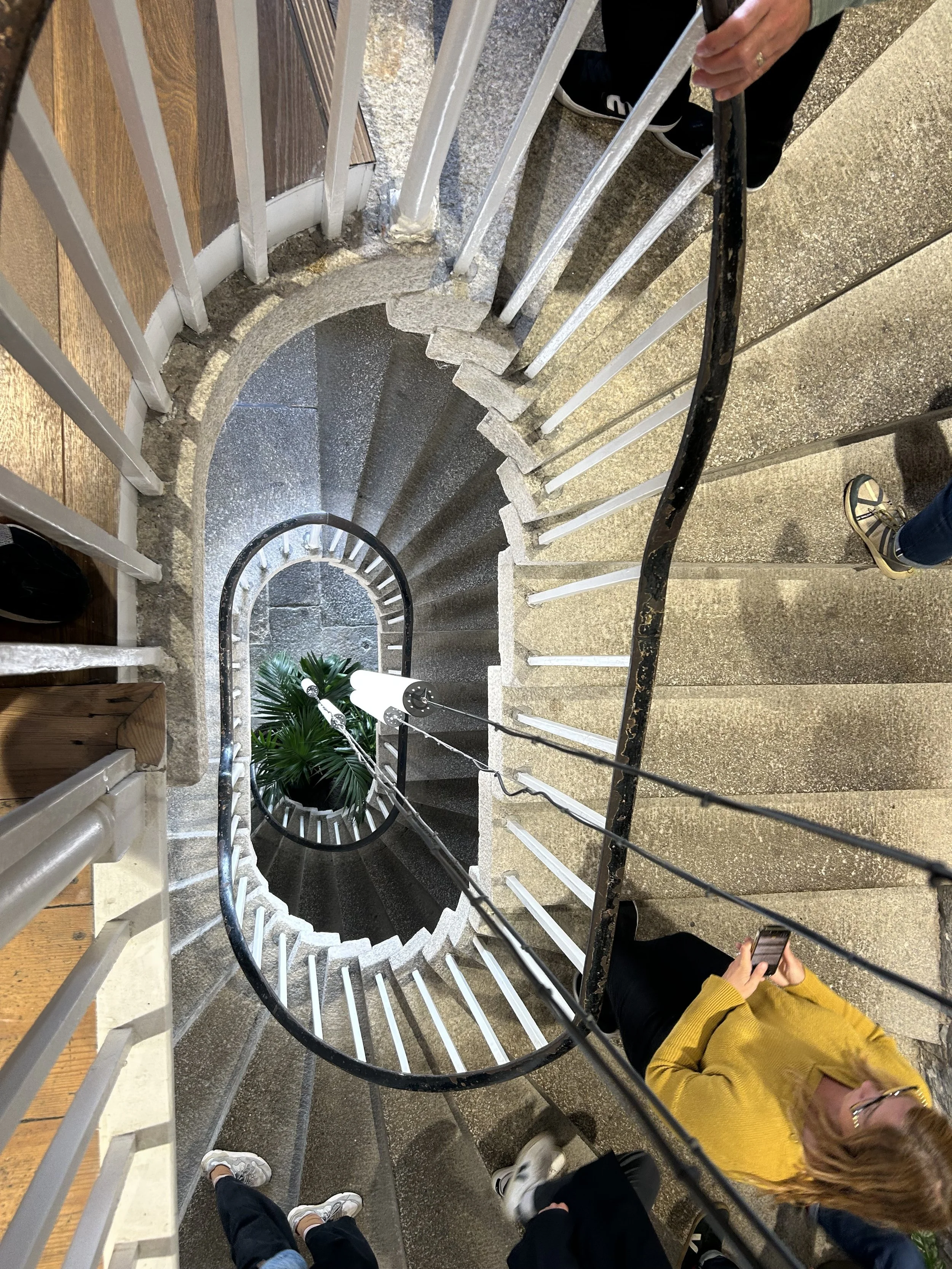
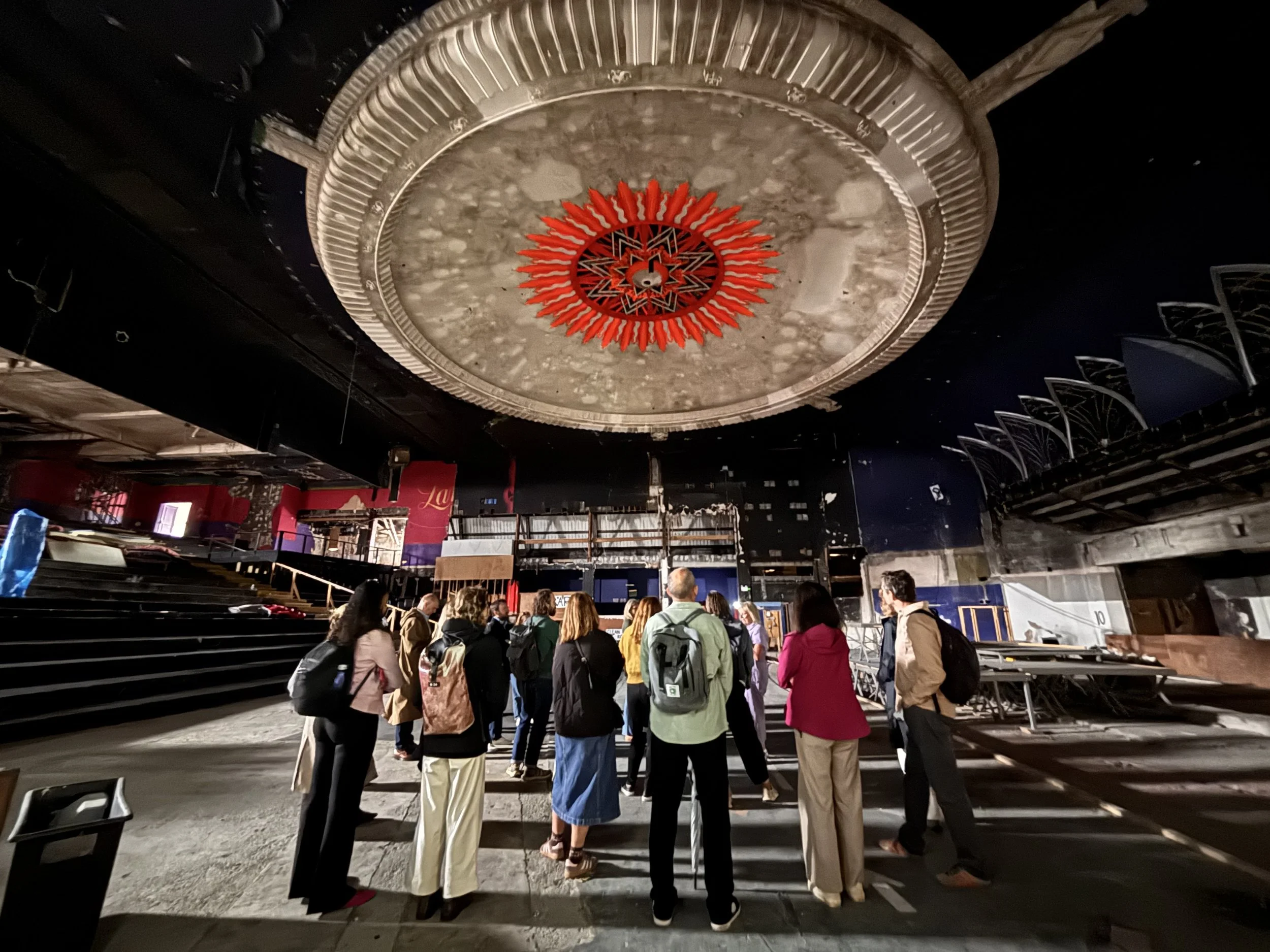
On Union Street, we were welcomed by Wendy Hart, co-founder of Nudge Community Builders, a Community Benefit Society with 600 community shareholders. The hay days of Union Street departed with the loss of marine industries and formerly glorious venues and shops serving sailors on shore leave, fell into dereliction. In 2017 Wendy and her friend Hannah Sloggett decided that they'd need to tackle the problem themselves if they wanted to see change on their local high street. They acquired the lease of one of the empty shops and rounded up local volunteers to help with the refurbishment. Other buildings followed, artists, entrepreneurs and community organisations moved in. It was amazing to walk around the 1931 Gaumont Palace music hall - Nudge's latest acquisition - and to hear about the organisation's plans to repair and re-open the venue. Down the road, we visited a mushroom farm and hydroponic growing space - both in another one of Nudge's buildings, where behind the scenes, preparations for the annual Union Street Party were progressing at pace.
Lunch was provided curtesy of the fabulous Plymouth Waterfront BID and their friends at Moxy hotel.
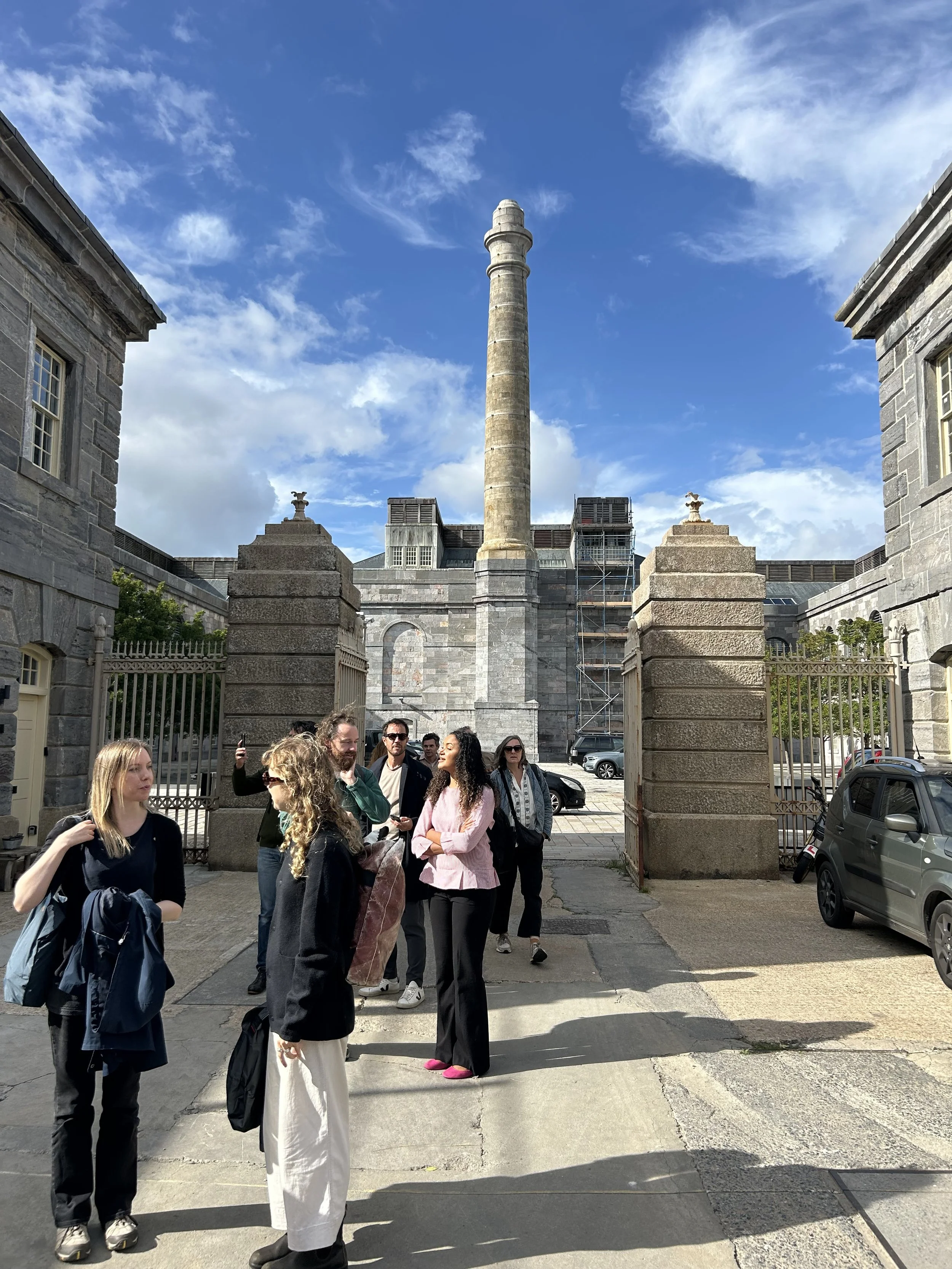
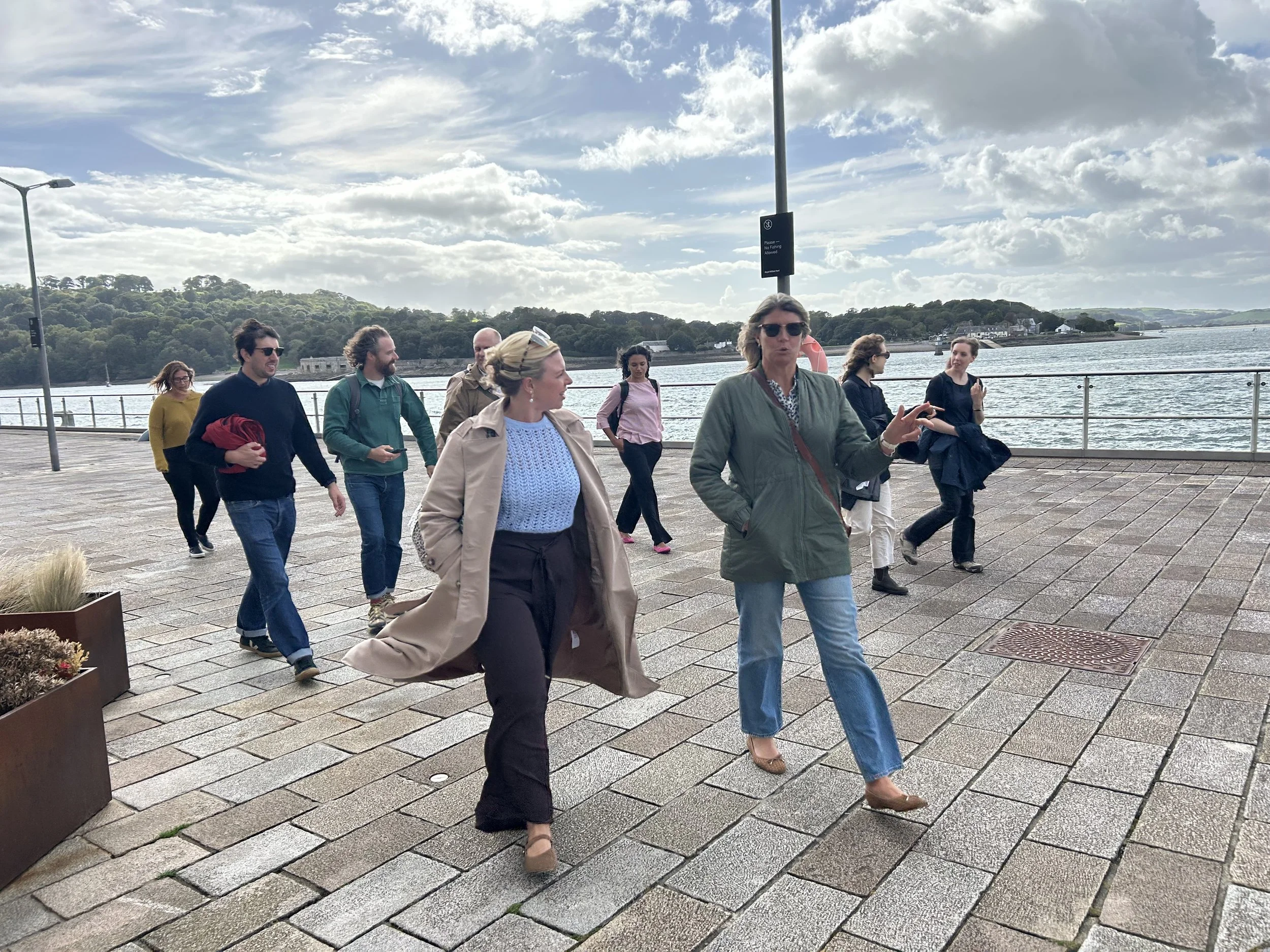
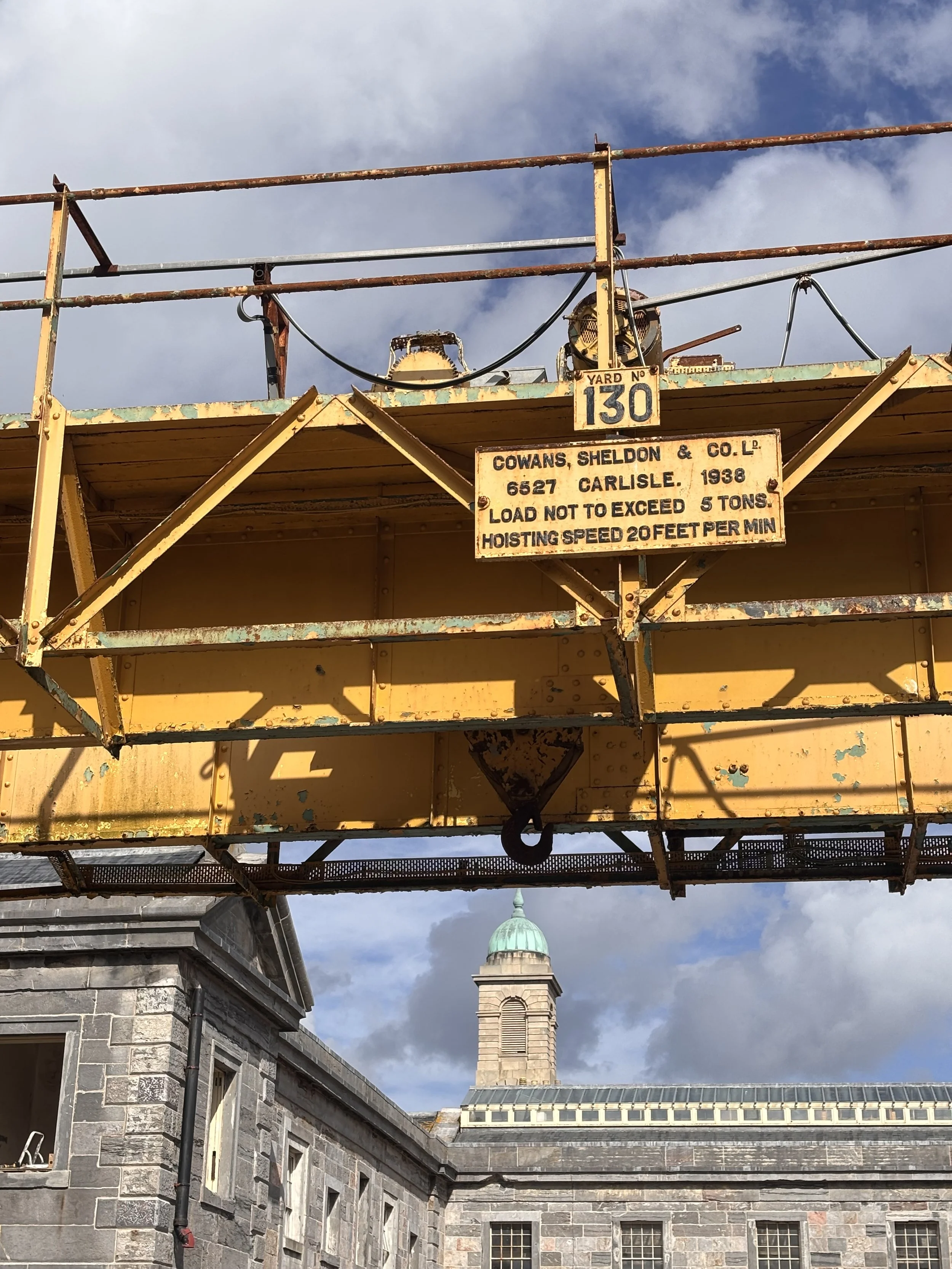
Next stop was Royal William Yard, a historic naval food and maritime equipment supply yard built on the instruction of King William between 1825 and 1835. Gillespie Yunnie Architects and Urban Splash have been working on the transformation and repair of the derelict compound since 2003, turning the historic buildings into a mixed-use neighbourhood. Jackie Gillespie led an inspiring tour that brought the project to life amongst challenges of bringing daylight into the deep plans of the listed industrial buildings, attracting businesses and managing challenging conservation works of materials that were never suitable for the use on buildings exposed to sea and salt.
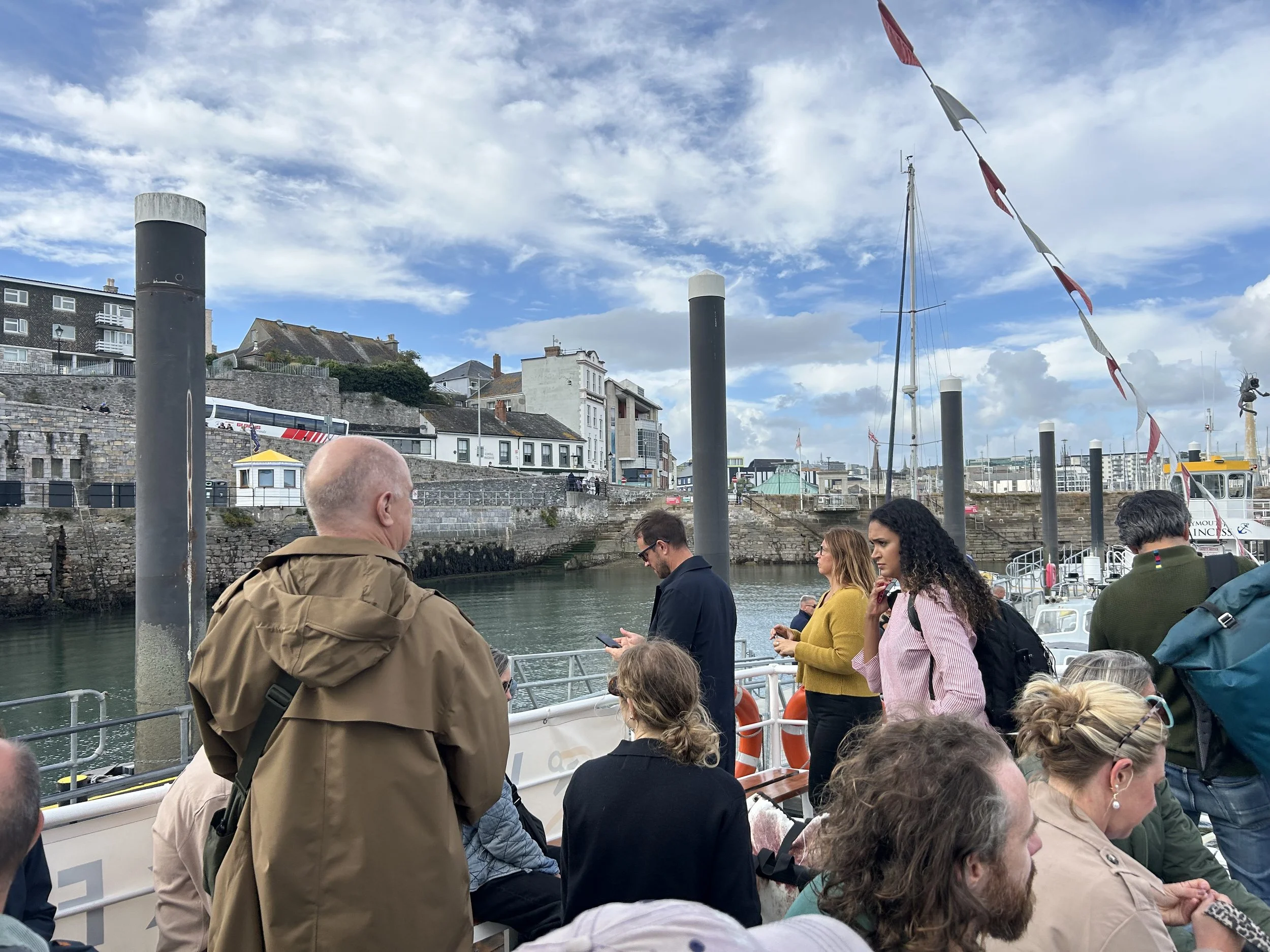
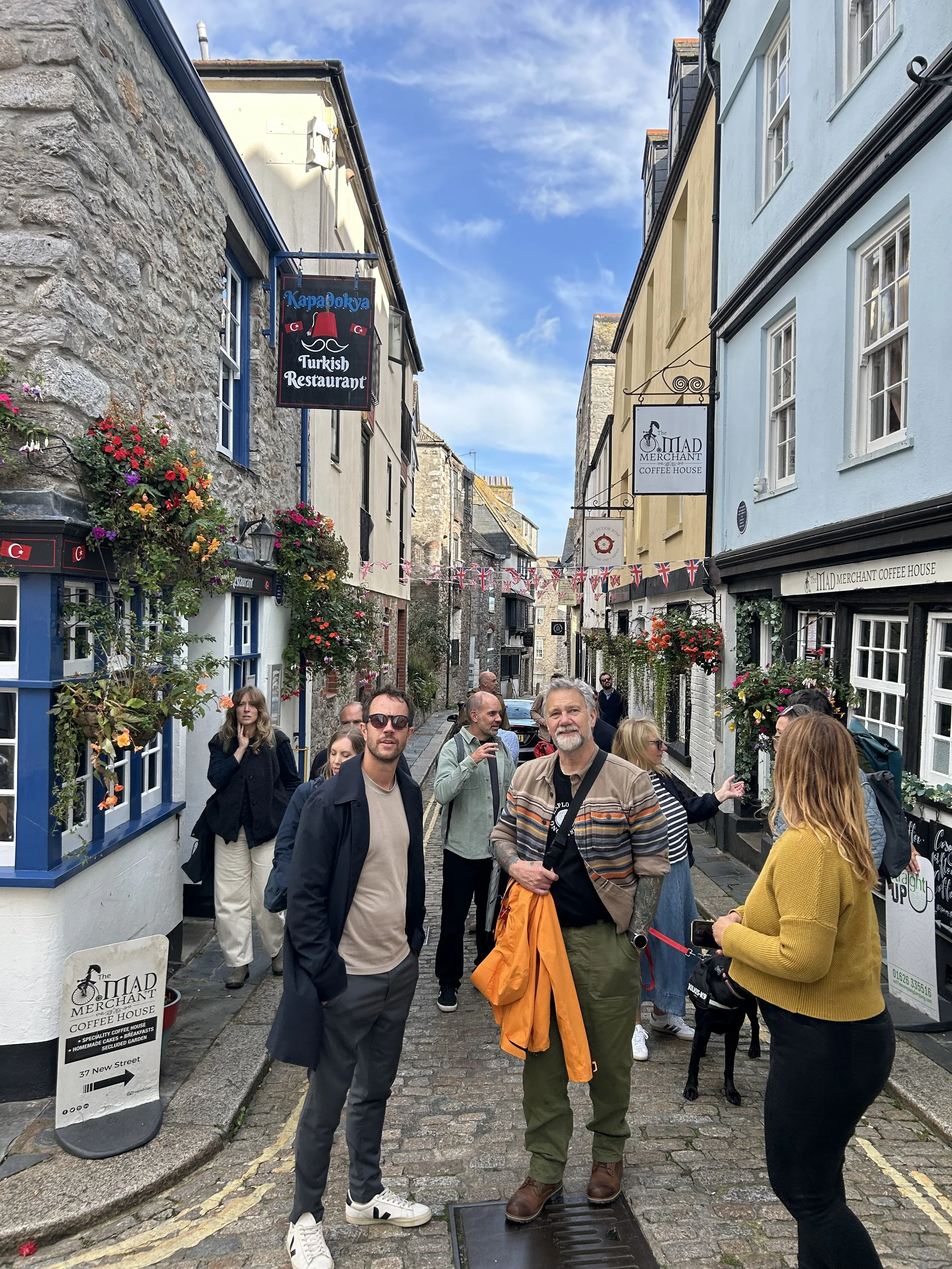
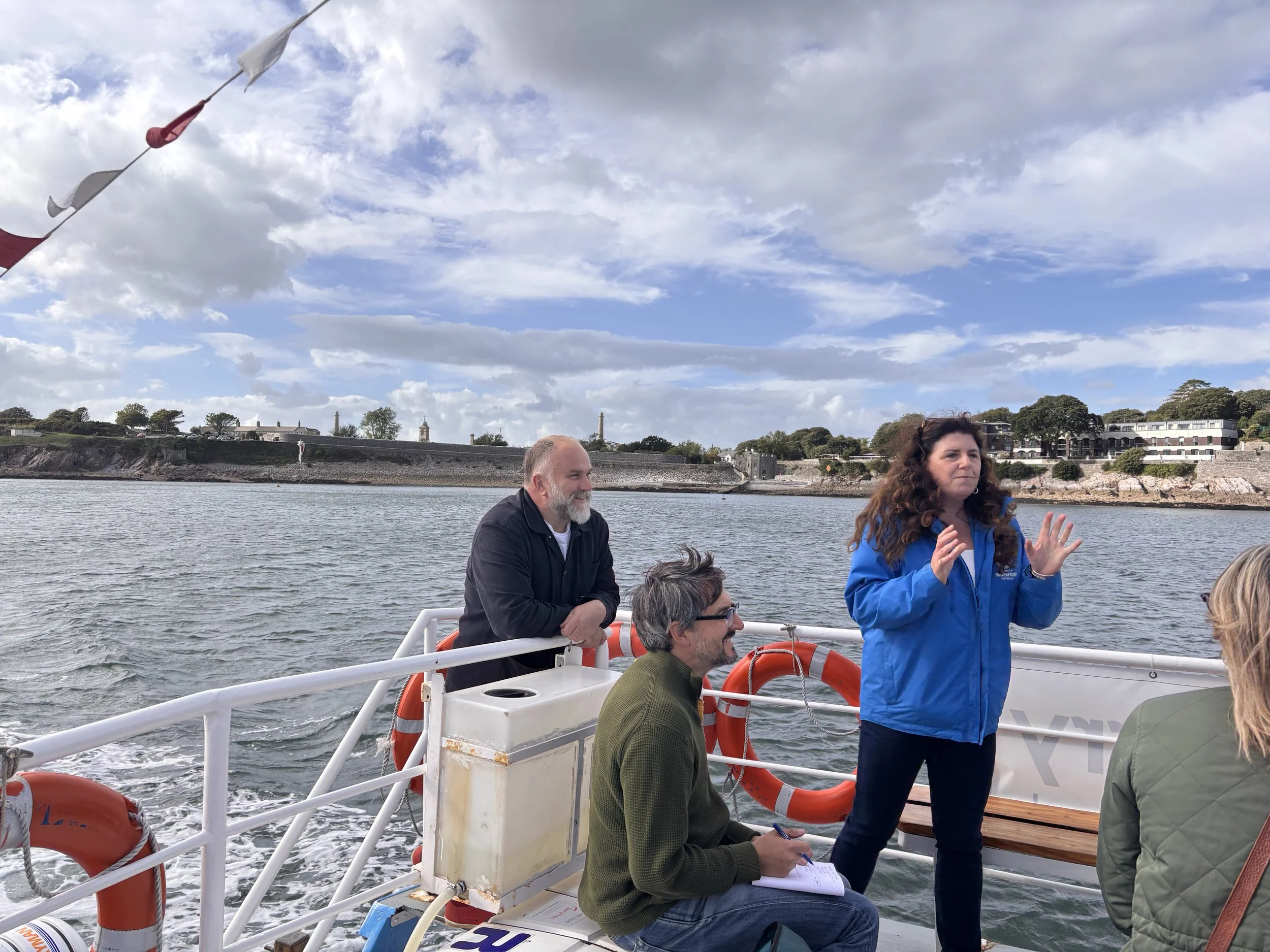
The afternoon concluded with a boat trip curtesy of the waterfront bid where we learned from Sarah Gibson about the challenges of running the UKs largest BID. Back on dry land we explored some of Plymouth's historic streets ending up at Plymouth Gin, the city's very distillery.
Thank you for everyone who hosted us. We were inspired by your ambition and your determination.