Golden Mile & Brentford
By Elaine Young, ING Media
Along the Golden Mile: a study in change and connection
This field trip took place on one of those spring days where you seem to get all four seasons within a few hours. On the train from Liverpool Street, the rain was so heavy I could barely see out the window. The sun appeared just as I stepped onto the platform at Syon Lane. A promising start to my first PCUK event of the year – and perhaps hinting at the span of perspectives to come!
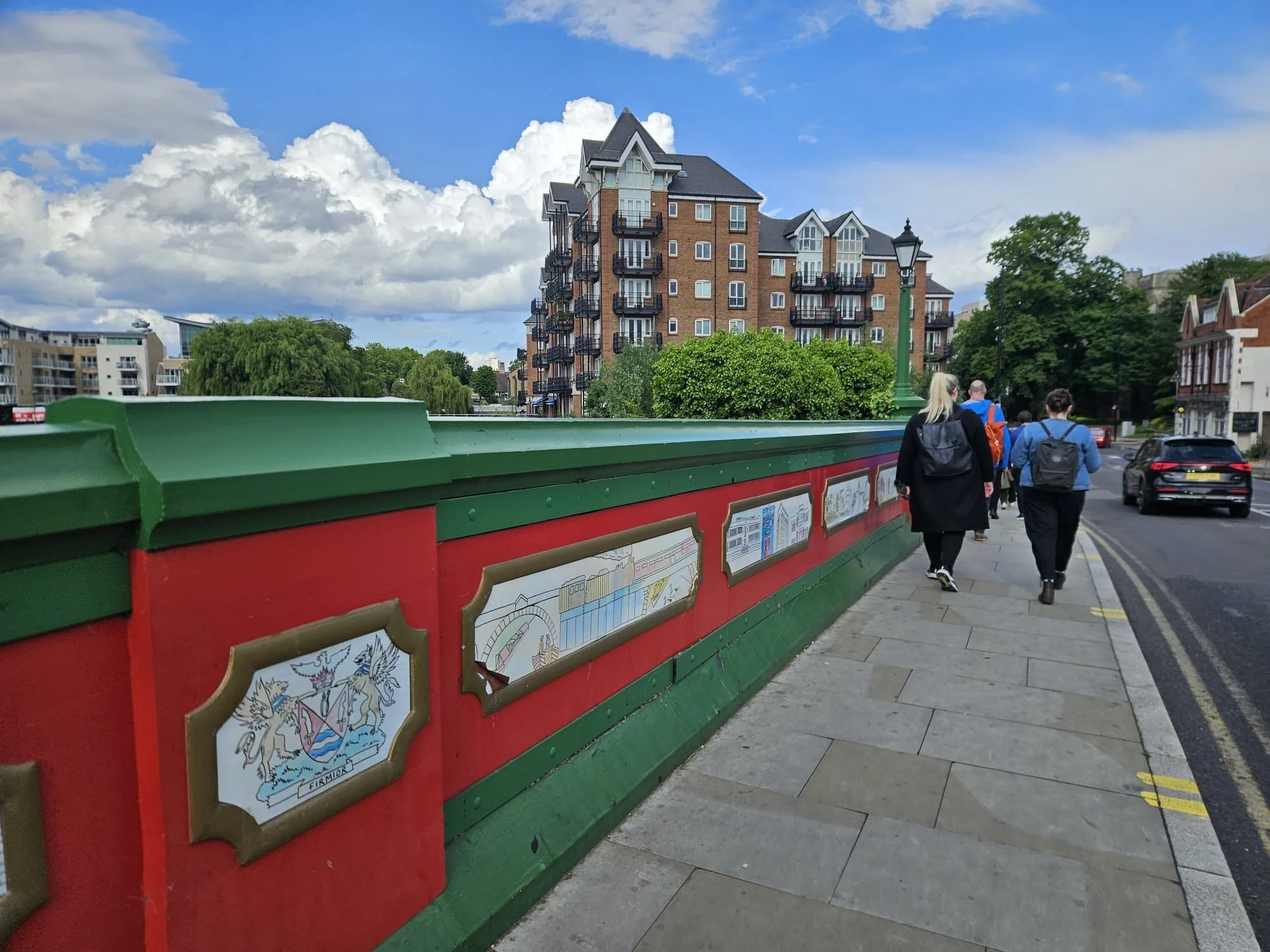
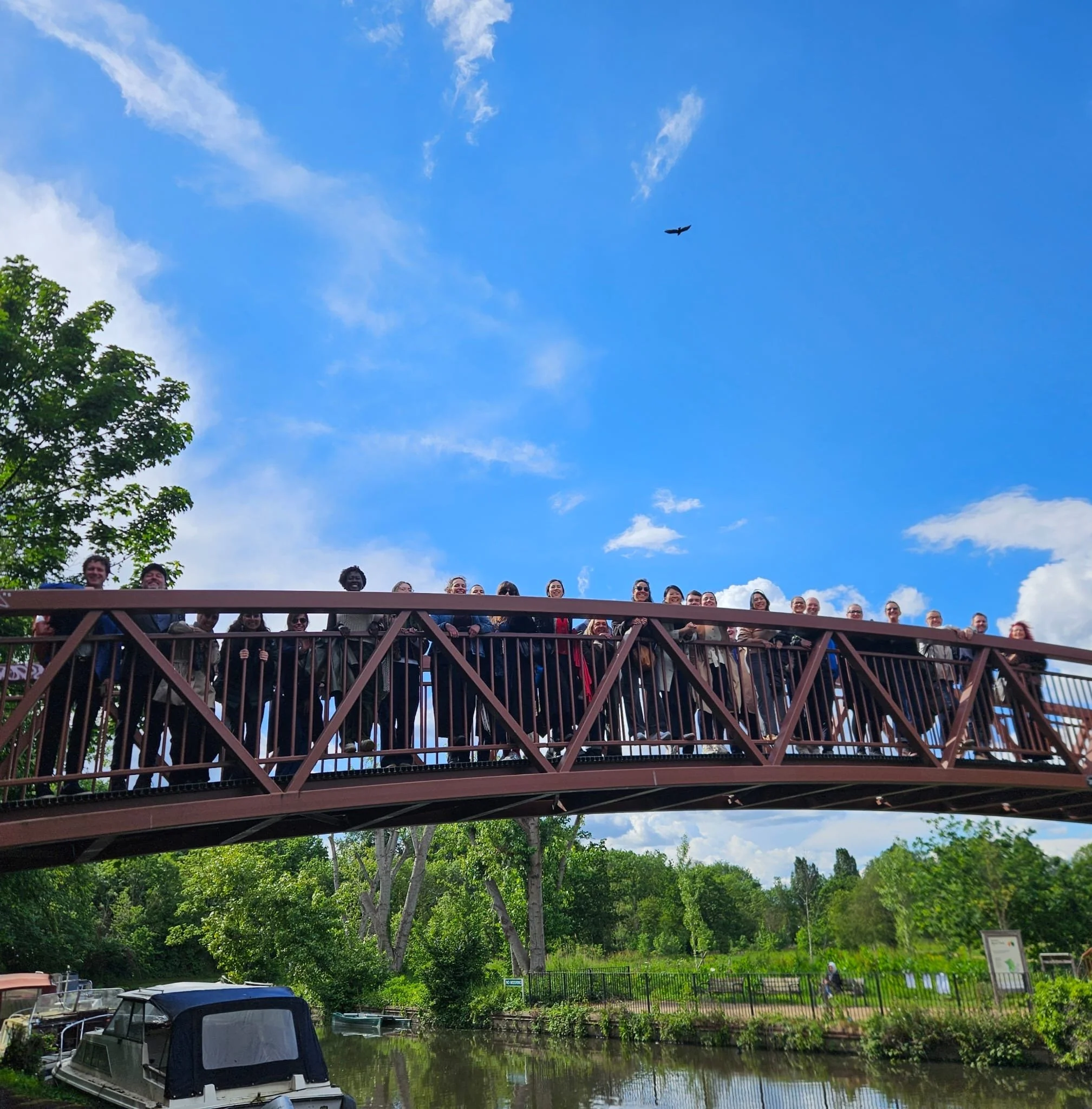
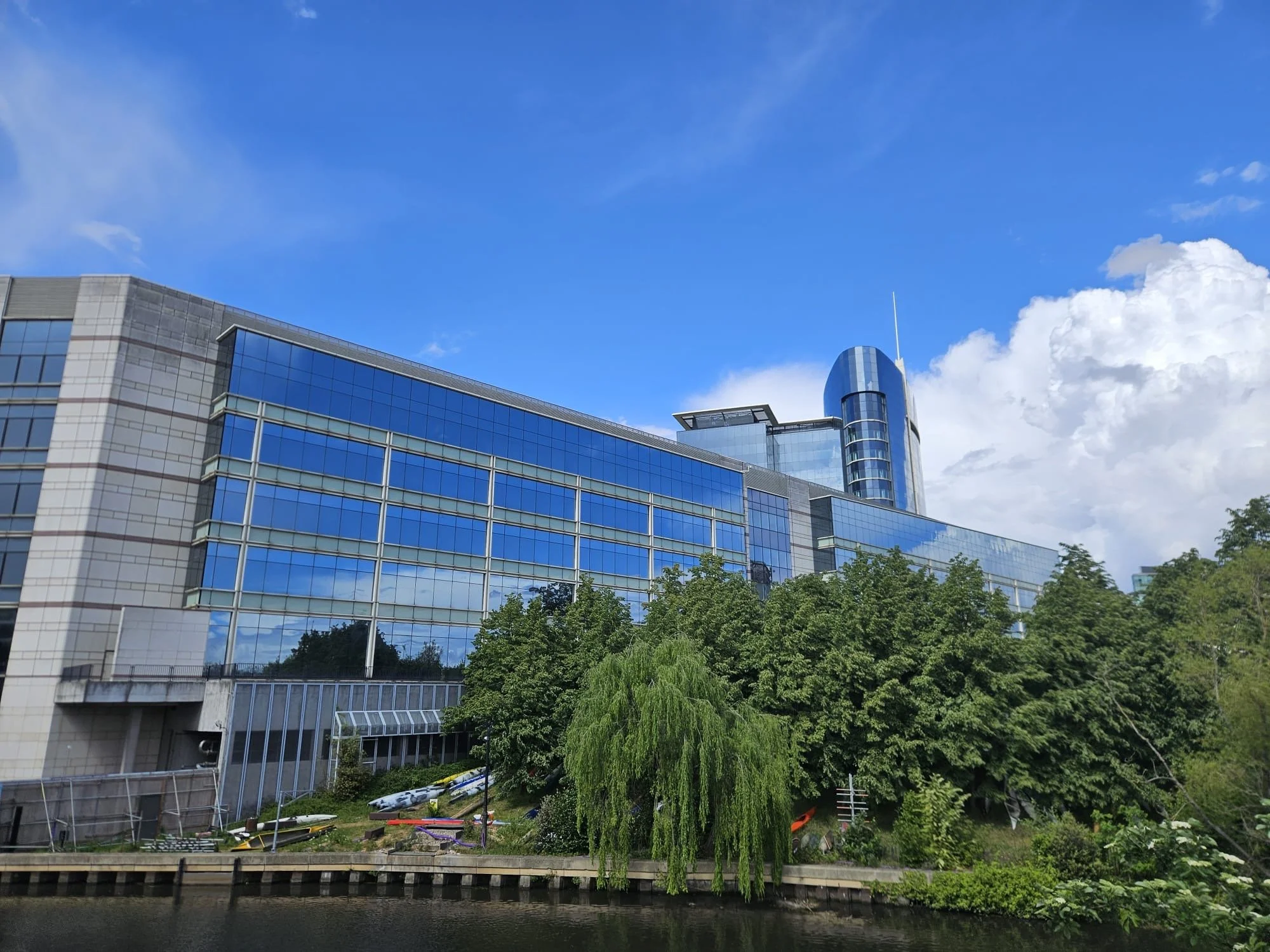
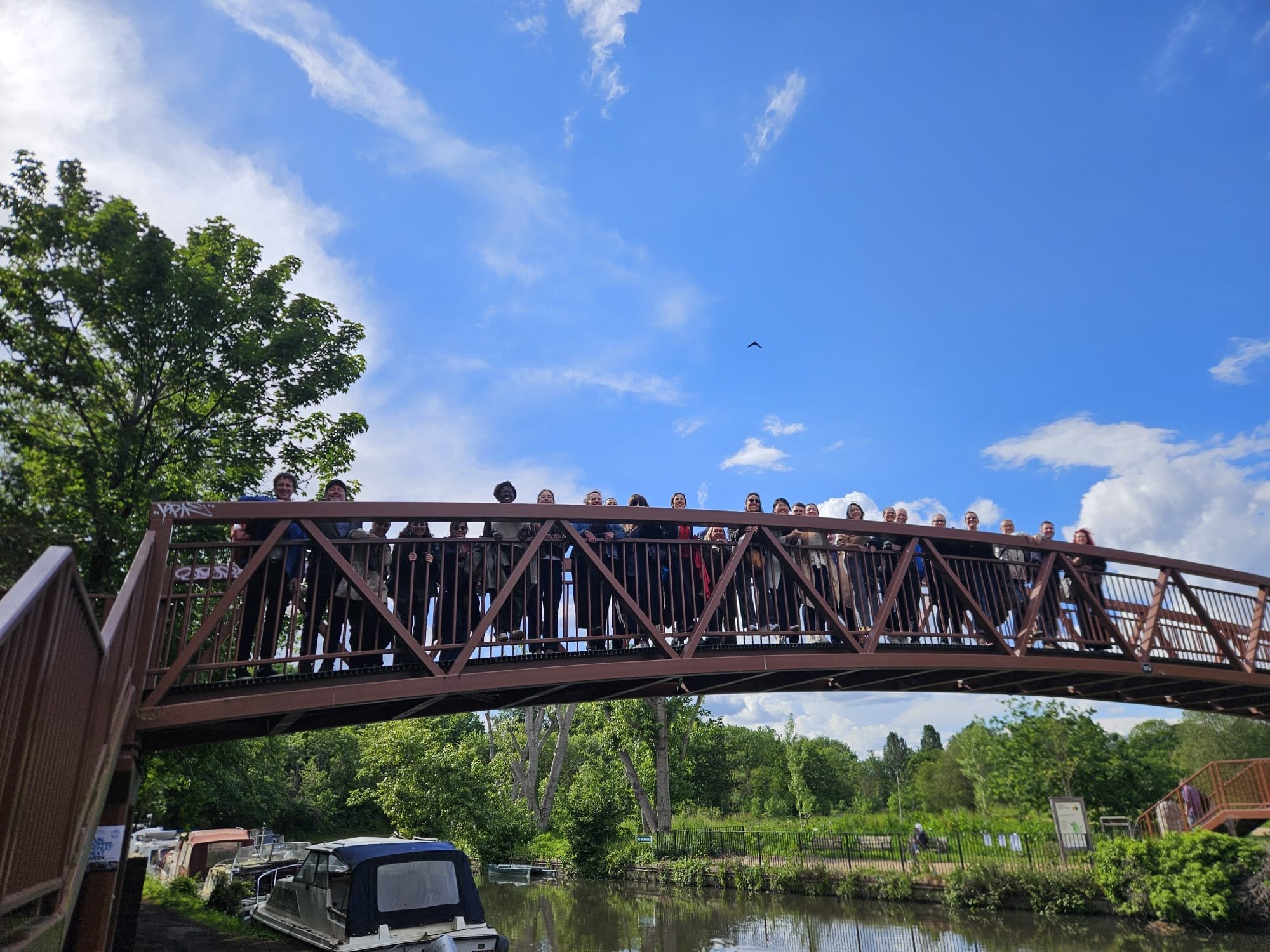
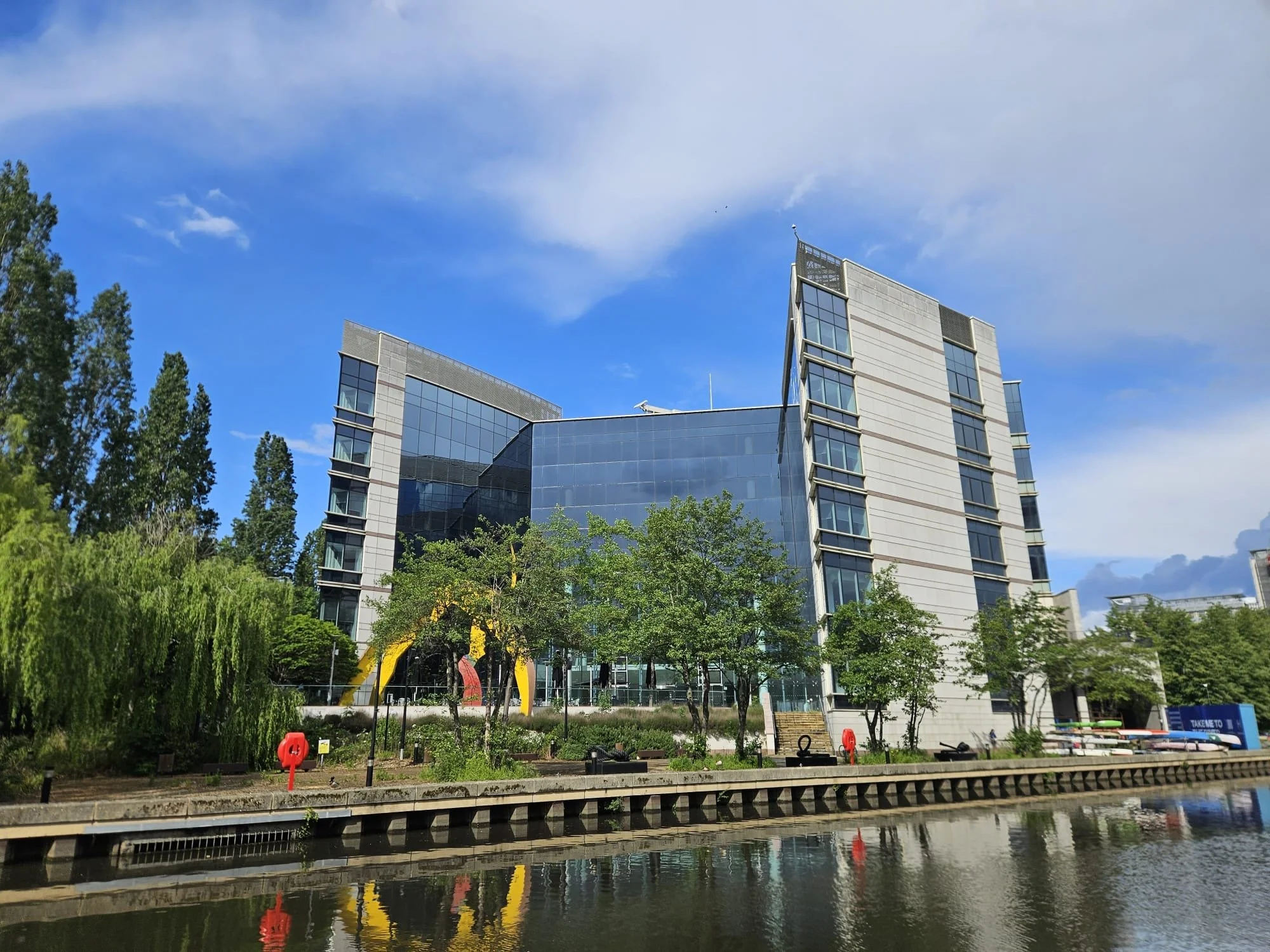
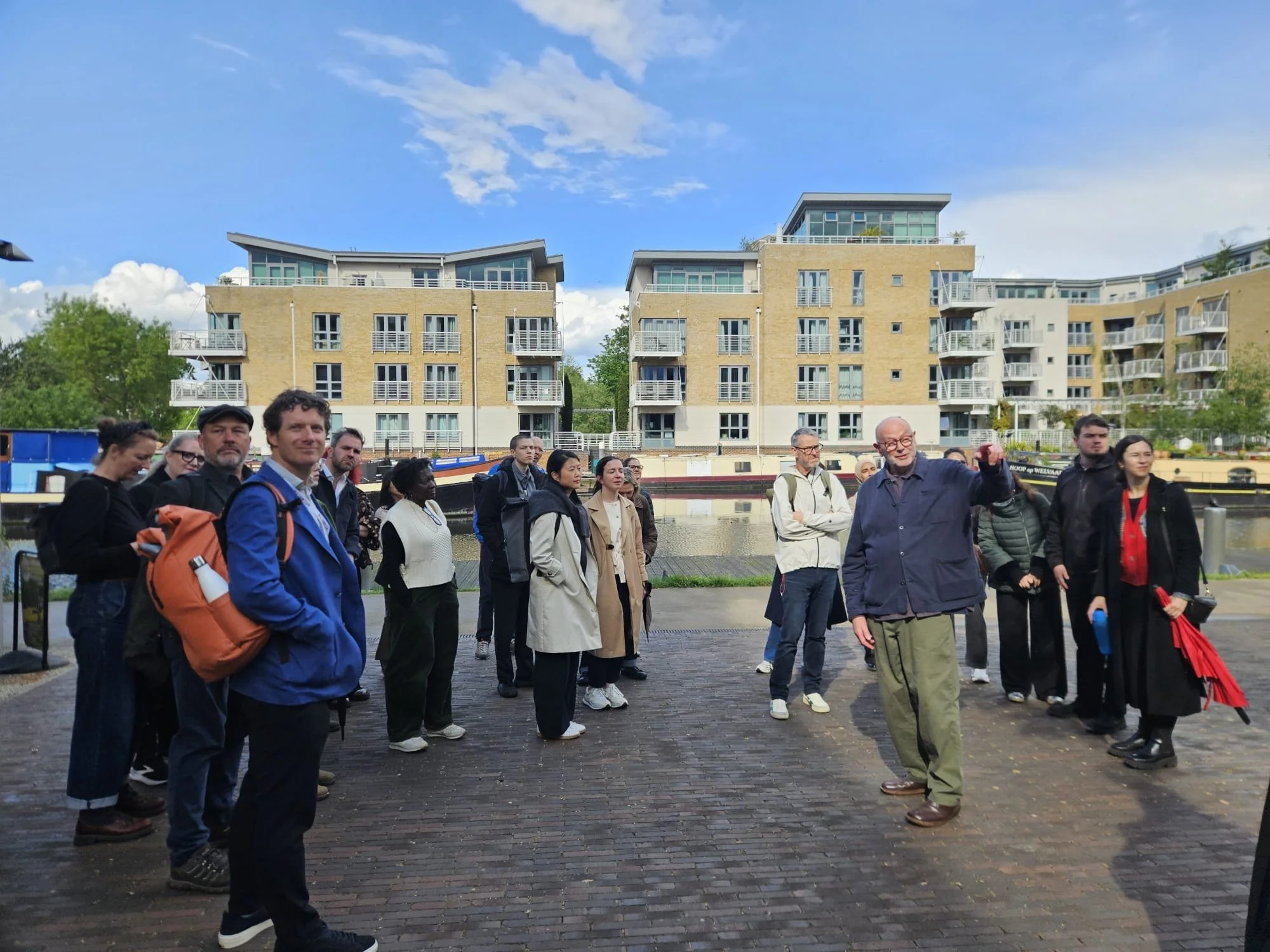
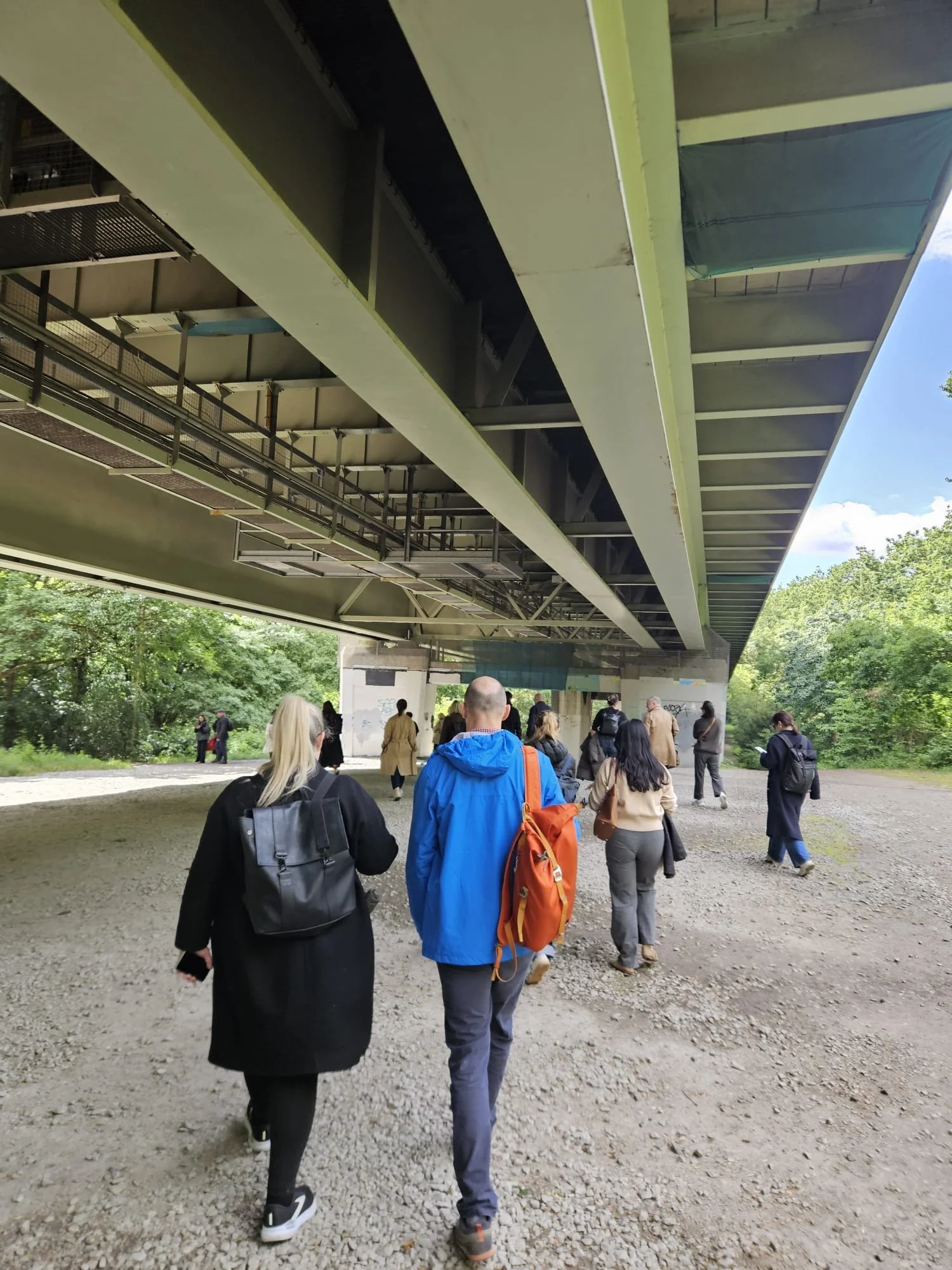
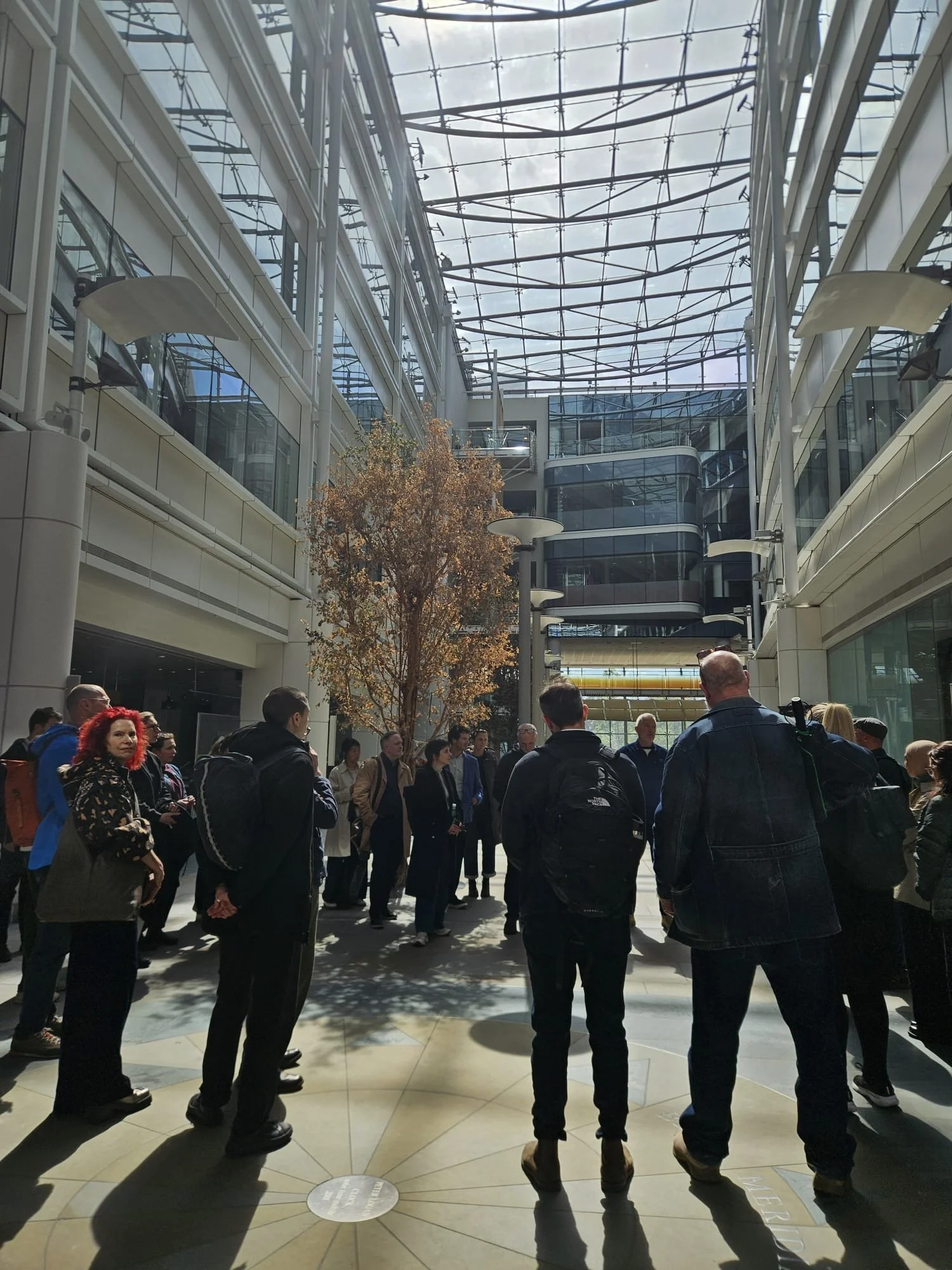
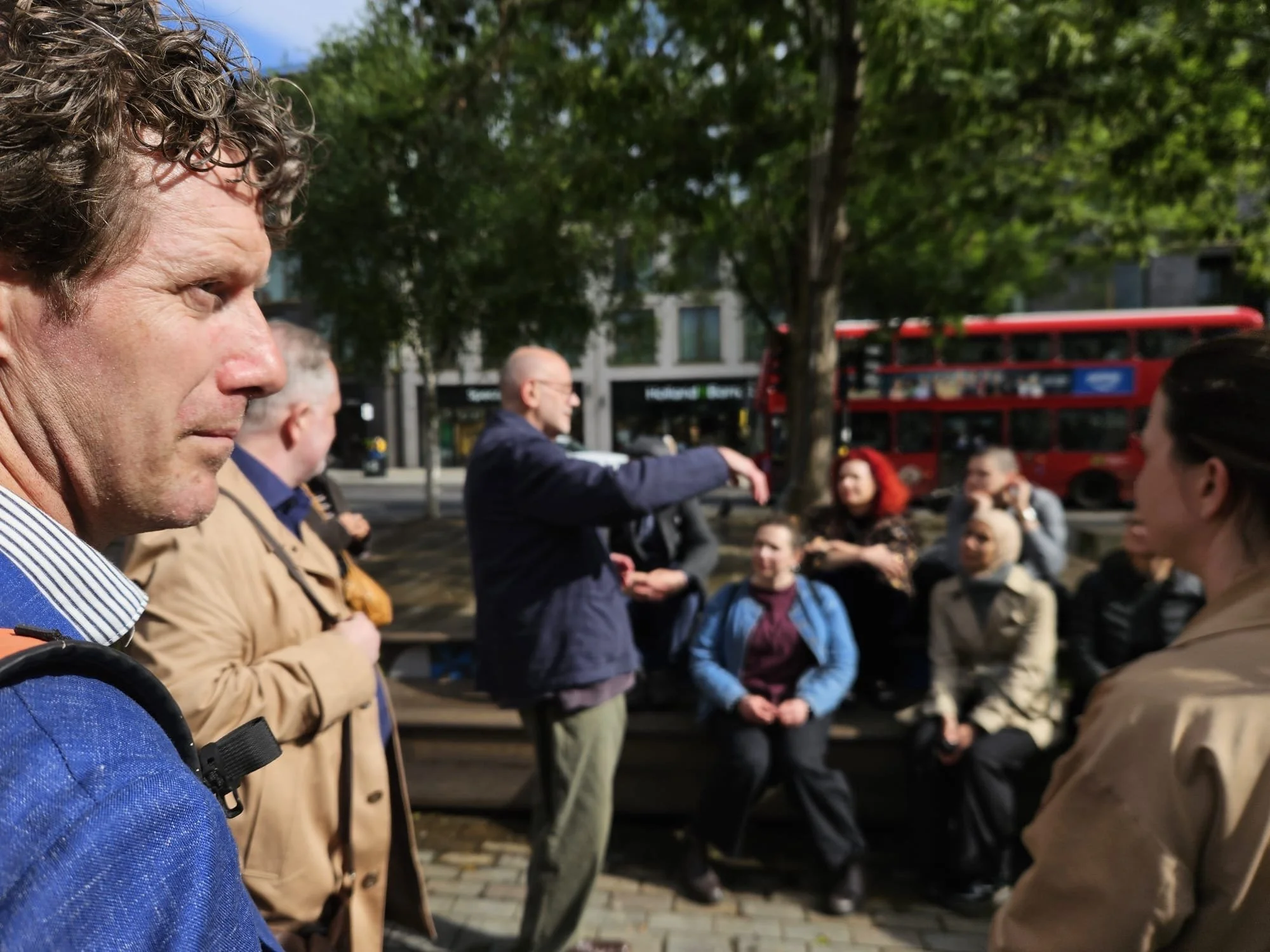
This range of voices is one of the things I value most about PCUK field trips, and this site visit was no different. We were welcomed by Maya Davies and her colleagues from Hounslow Council, who, throughout the afternoon, walked us (literally and figuratively) through the borough’s ambitions around innovation, investment, community and growth. We also heard from Herta Gatter from Augarde & Partners, who shared learnings from working on the borough’s technology and innovation strategies. Hadley’s Michael Clark gave us a tour of the former GSK headquarters, now known as the landmark regeneration project 980 Great West Road. Martin Case, longtime local resident and Chair of Brentford Voices, provided important insight on community initiatives and working with the council as we moved from Boston Manor Park to Brentford town centre. Jennifer Ball and Henrietta Owusu from Ballymore showed us around The Brentford Project, a new development connecting the high street with the waterfront.
To me, this dynamic is what makes placemaking meaningful: understanding a place through the people who live, work and shape it.
Some reflections:
Working together
“Partnerships” was a word that came up often, particularly around 980 Great West Road and the proposed creative technology district. What stood out was the focus on involving existing communities and businesses in future plans – rather than treating innovation and growth as something led only by new industries. Regeneration depends as much on trust and relationships as on investment.
A river runs through it
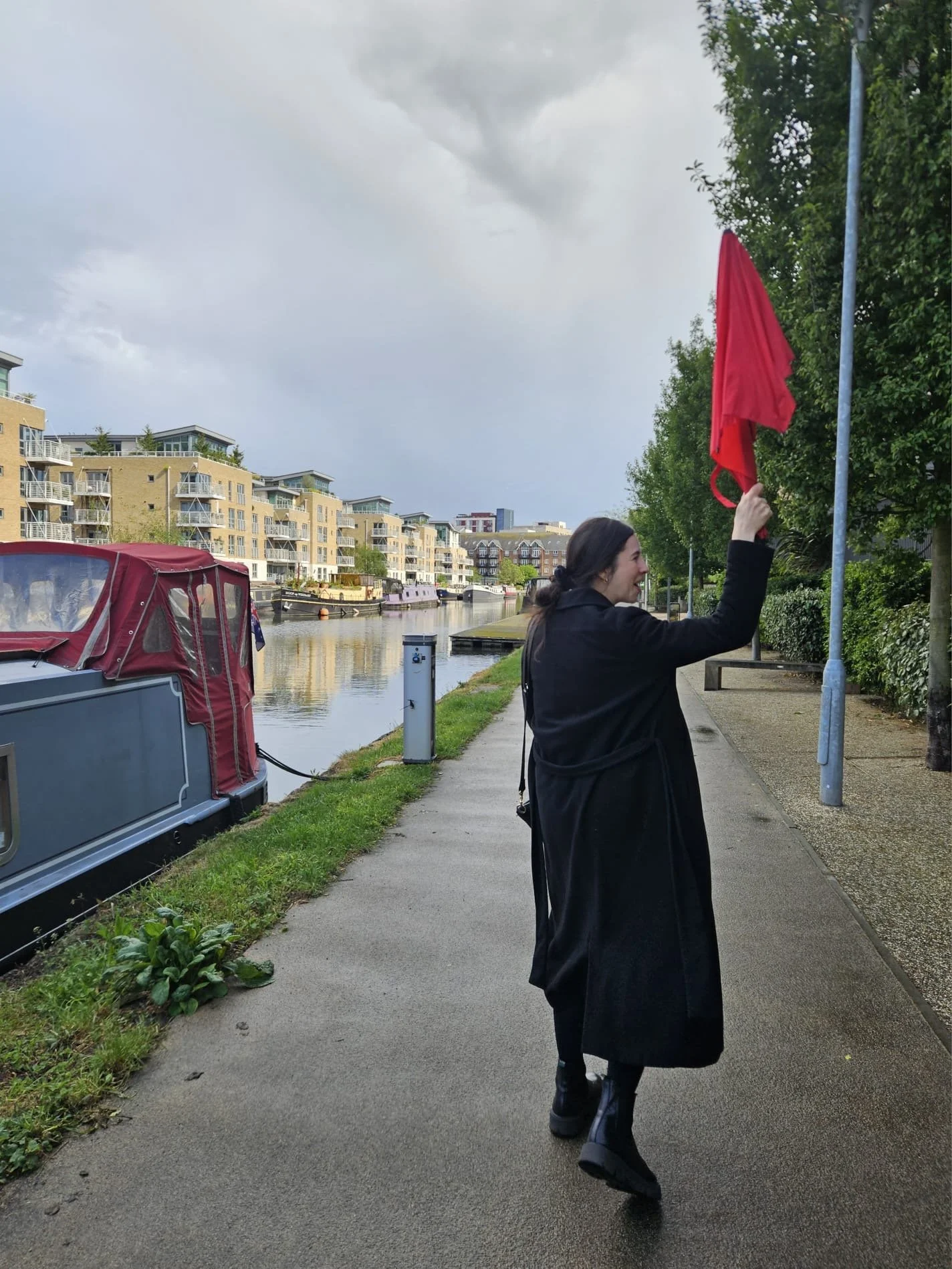
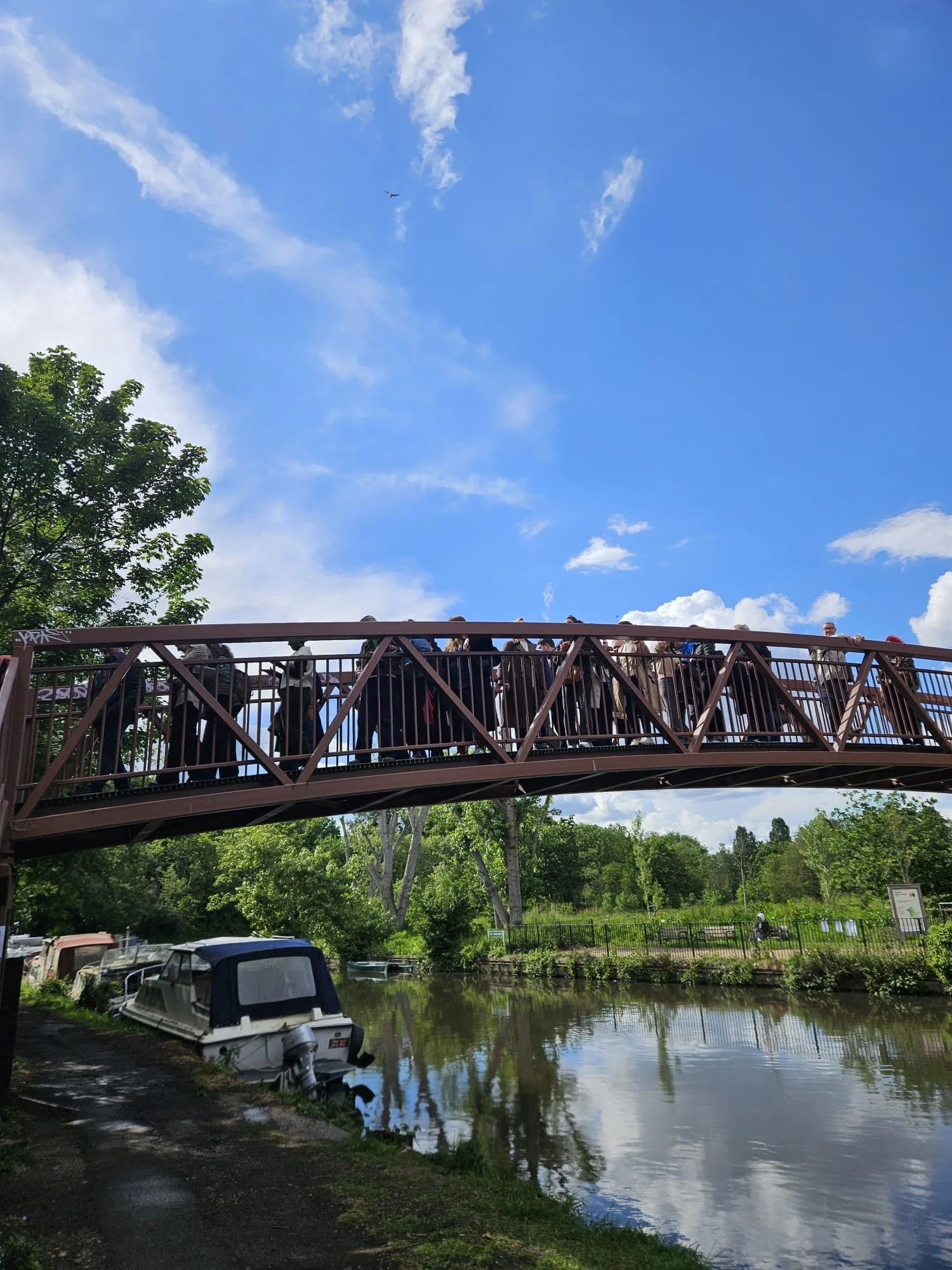
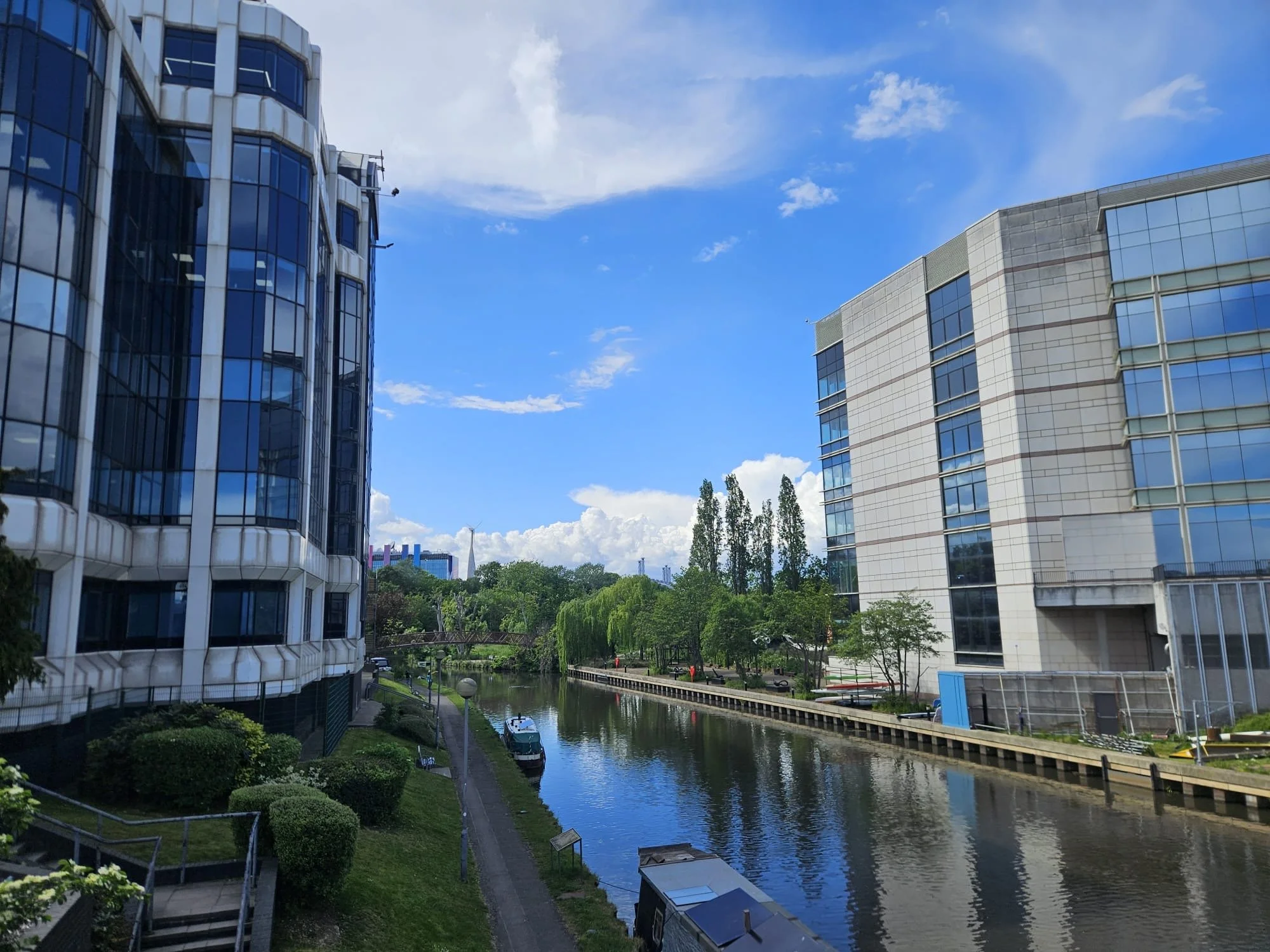
One comment from Martin particularly struck me: residents associate local identity with the waterways more than with anything else. Across multiple sites, including 980 Great West Road and The Brentford Project, reconnecting people with the river wasn’t just about visibility, but about embedding it into everyday experience through access and public space.
Reusing what’s already there
At 980 Great West Road, the focus on material reuse brought sustainability into sharper focus. Rather than starting from scratch, the approach builds on what exists – showing how reuse can be a practical, not just conceptual, strategy. After having learned about Material Index's work in this area through another project, it was great to see it in action.
Community
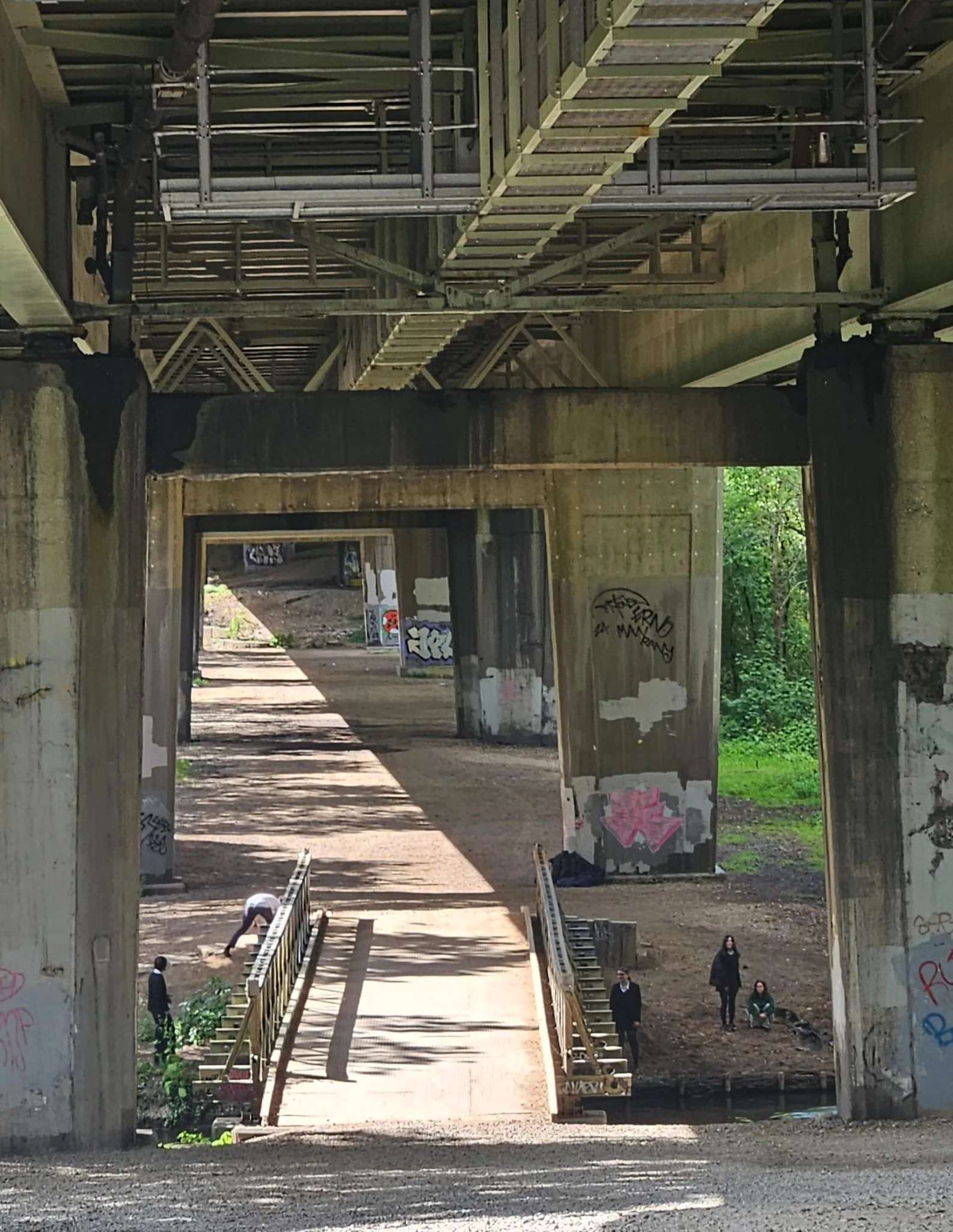
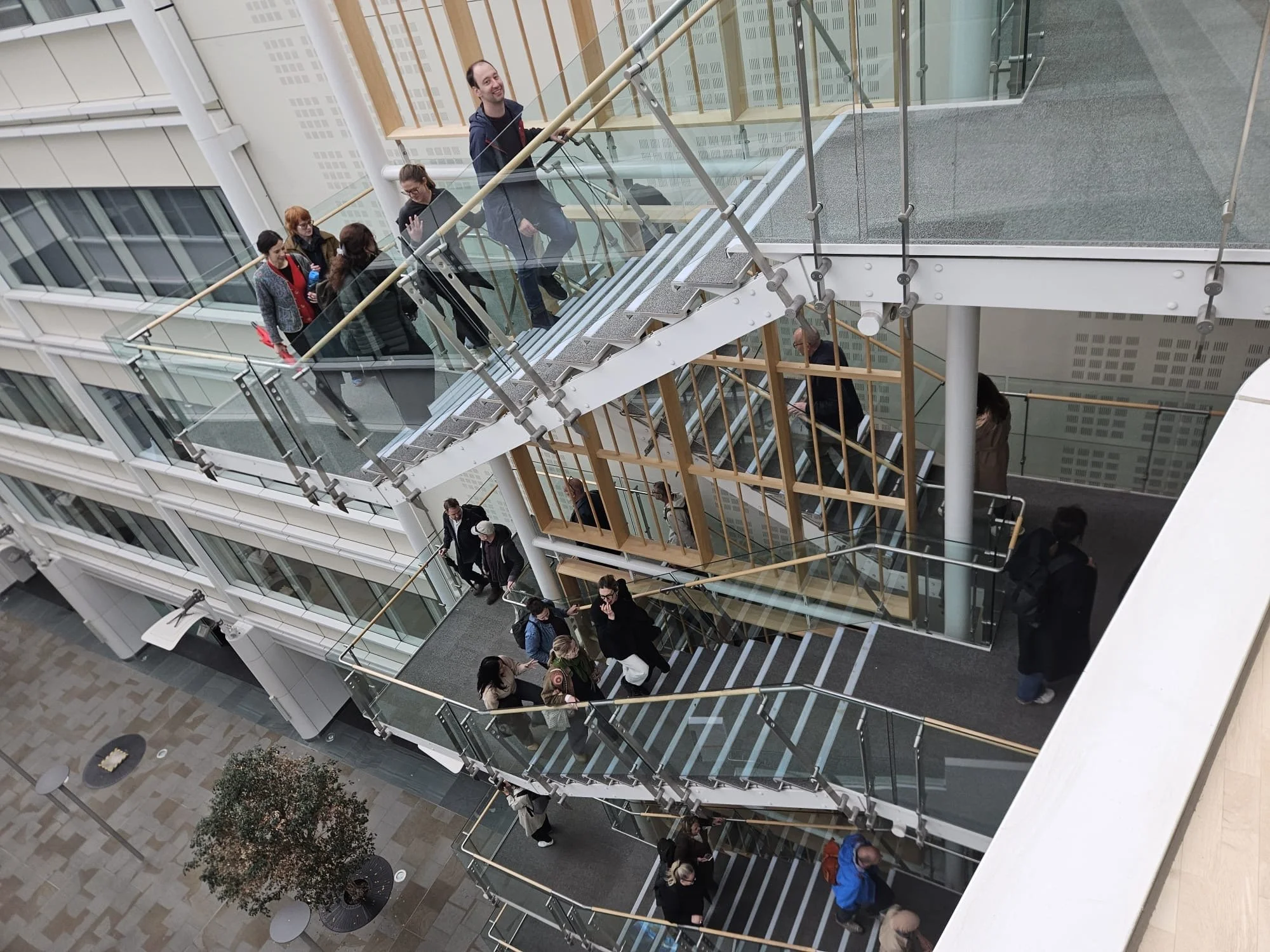
Community can mean different things to different people, and I was reminded of that at the former GSK headquarters. It had originally been designed as inward-facing and closed off to the outside world. Yet inside, it was also a small ‘town’ – complete with a central artery functioning as a high street – to foster community for those working there. The redevelopment attempts to reverse some of that logic through public access, public art and stronger links to the canal and wider neighbourhood. But community also translates into local identity and ownership, as reflected in initiatives bringing activity into underused spaces and supporting independent businesses in Boston Manor Park and Brentford town centre.
Connectivity
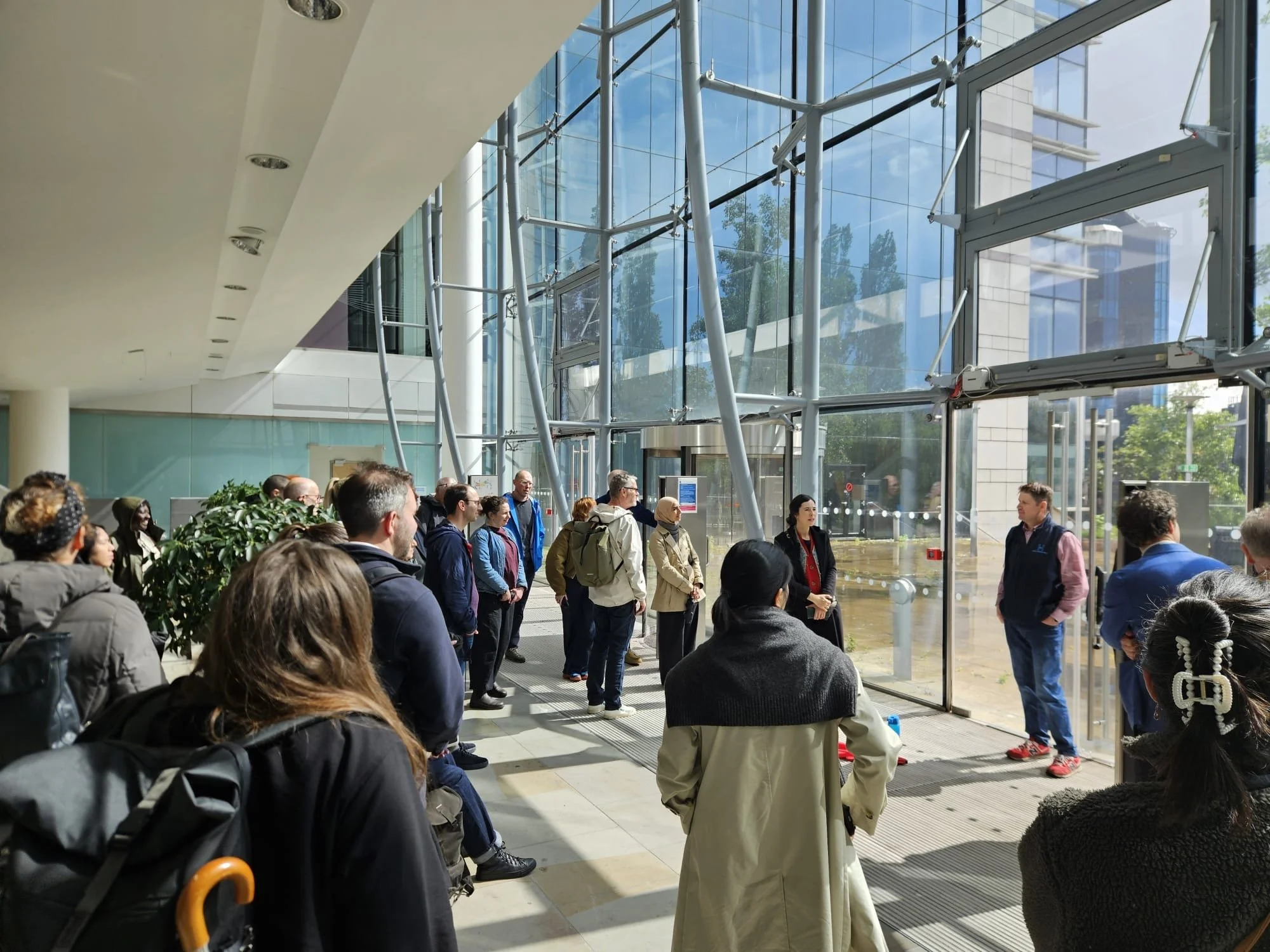
An unexpected rain shower led to a discussion on transport and connectivity as we waited indoors for it to pass. Infrastructure alone does not create attachment to place. Connectivity may bring people through an area, but places still need reasons for people to stop, spend time and return – a recurring theme across conversations about regeneration, public space and community.
What stayed with me most that afternoon was how stakeholders from public, private and community roles spoke directly and constructively with each other. In many ways, that ties in very well with what we do as communications consultants for the built world. It’s not just about shaping narratives or defining what a project stands for, but also about convening: creating space for exchange and allowing different perspectives to emerge.
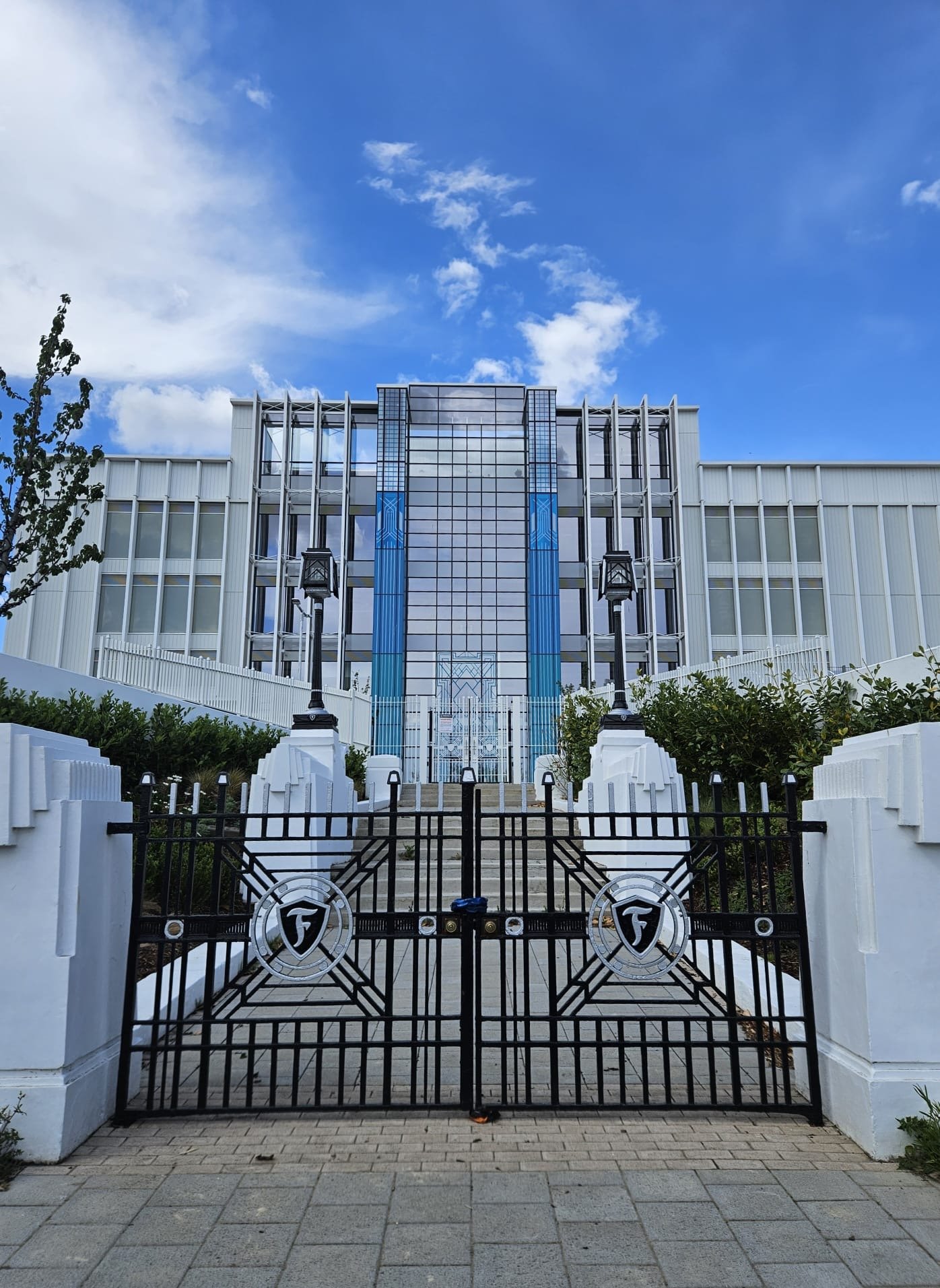
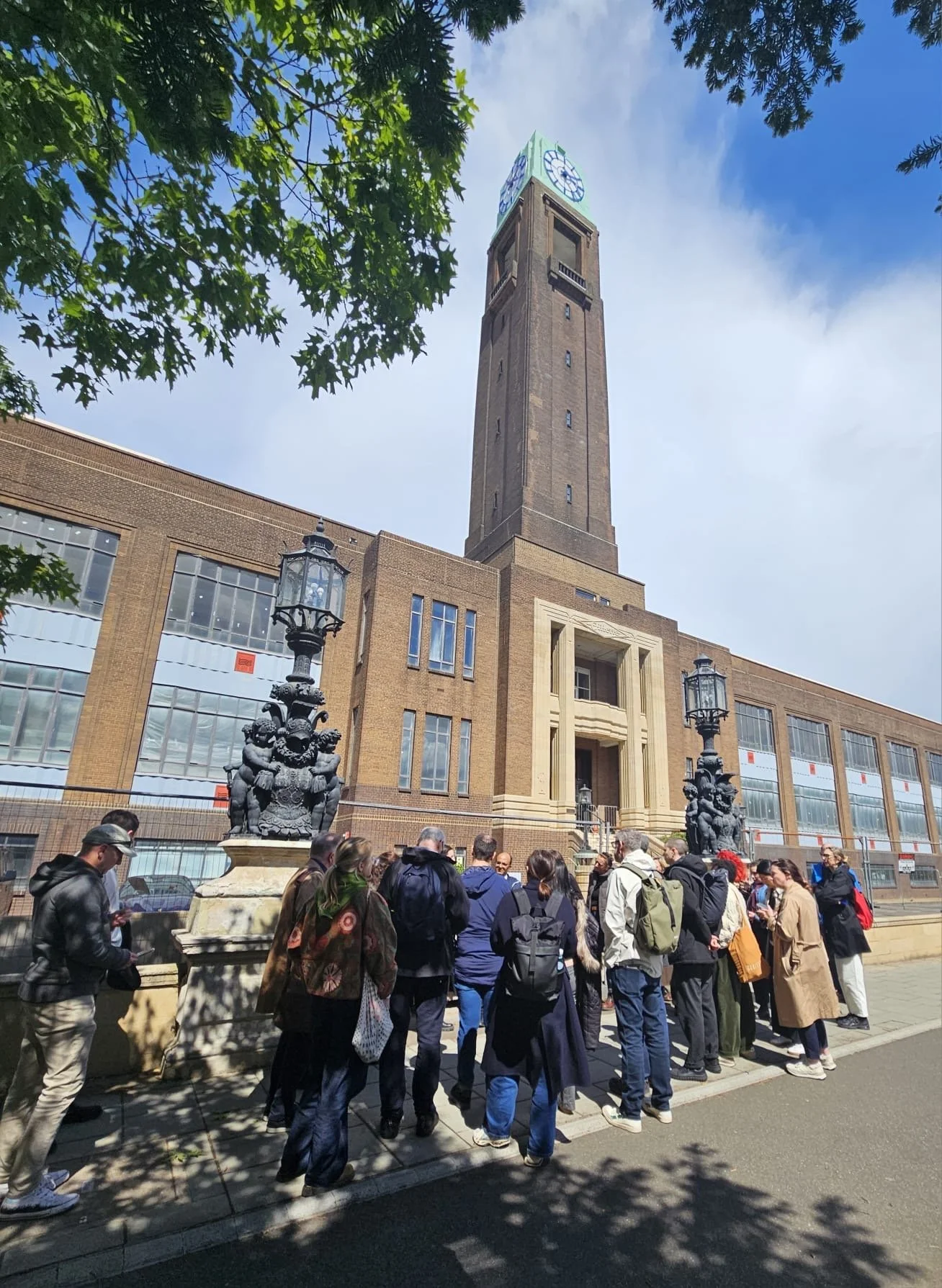
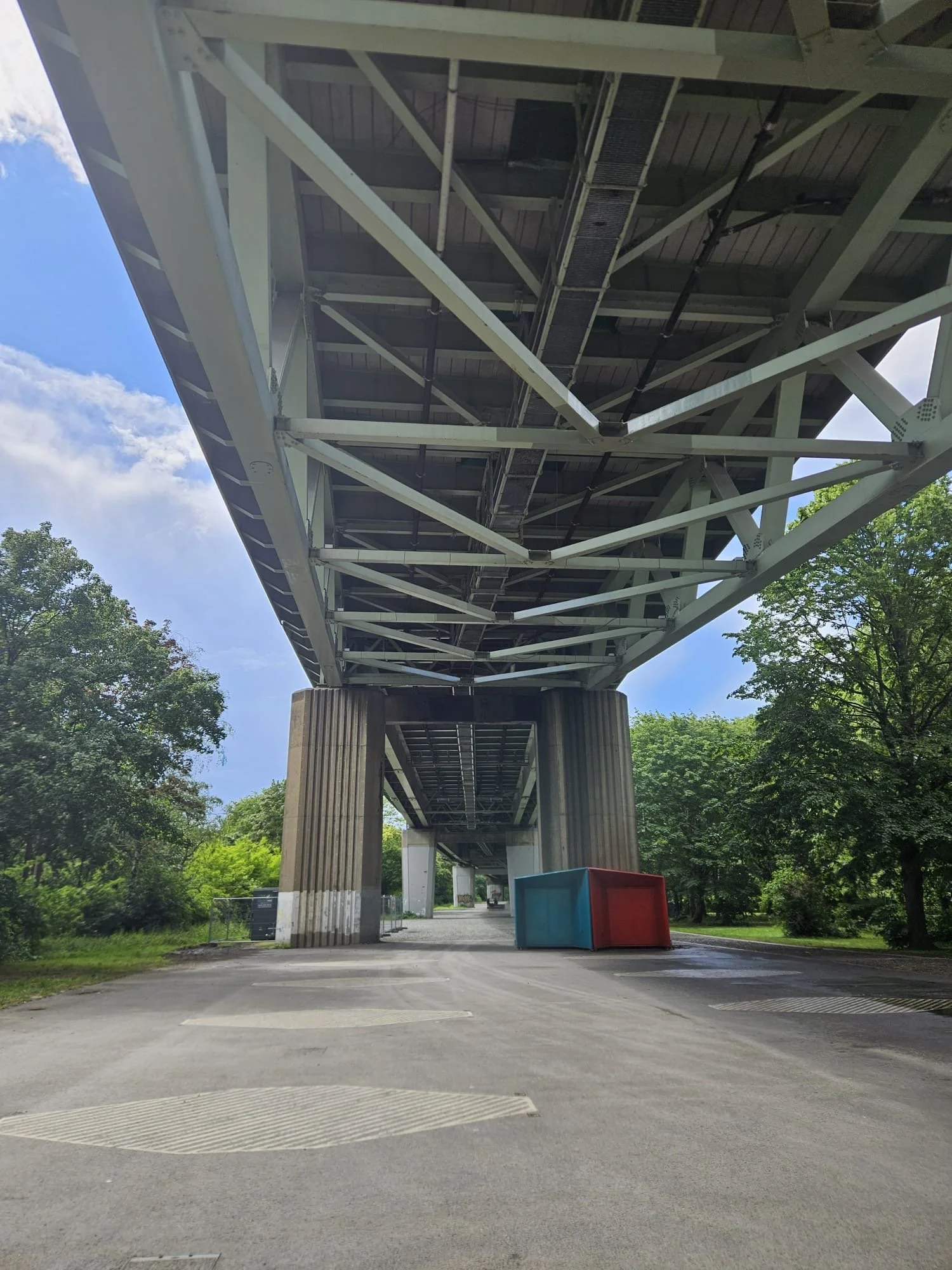
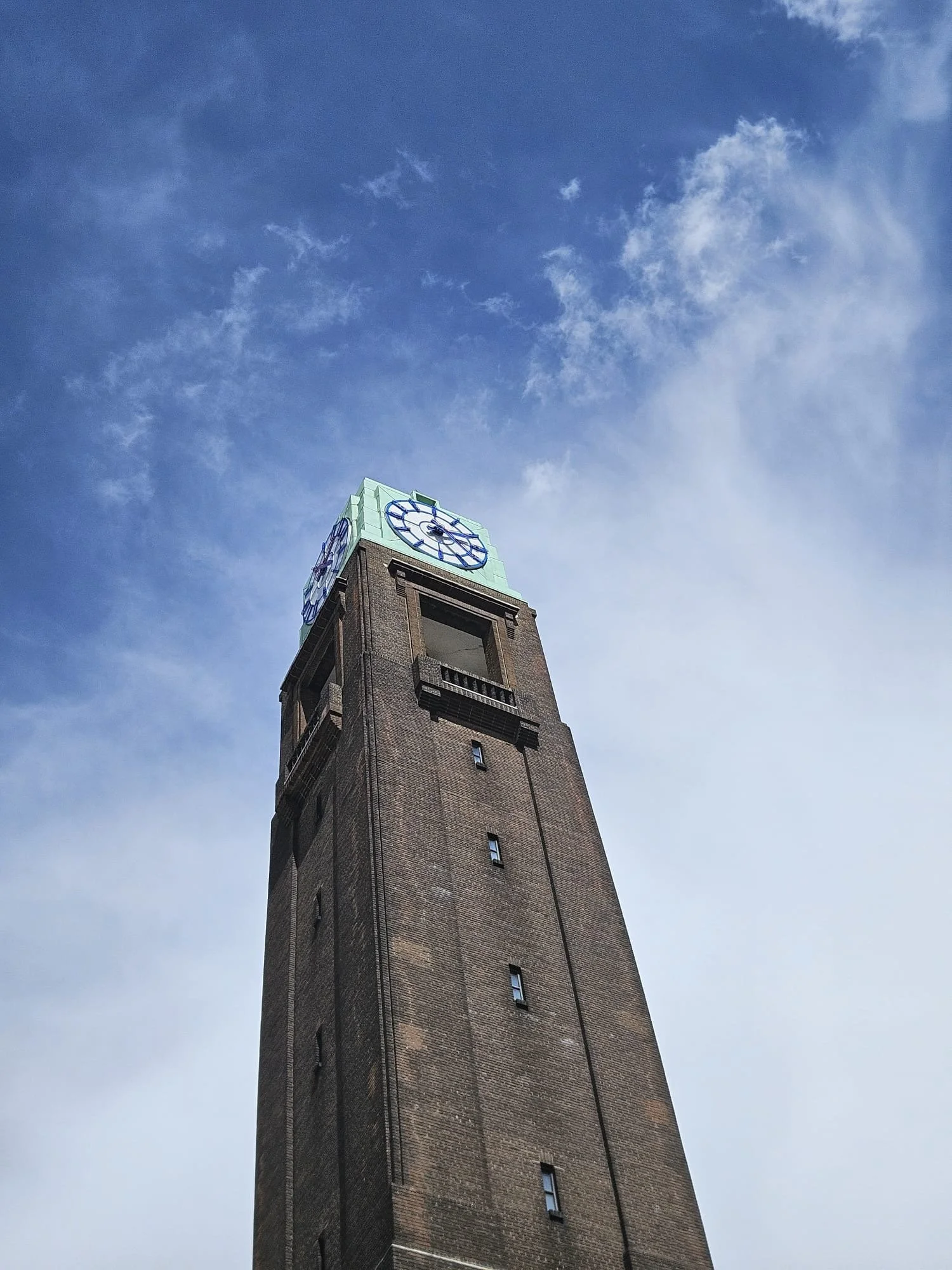
Walking along the Golden Mile earlier on in the tour, I noticed how architecture can reflect changing ideas of identity. Some buildings, housing headquarters for major corporations, still project permanence. But times are changing: the Art Deco Gillette Factory is being transformed into film studios, and the former GSK headquarters reimagined as a mixed-use development. Places are not fixed; they evolve as ownership, use and expectations shift over time.
This is where working in place becomes most interesting. As an urbanist and as a built world professional, I think a lot about how to engage with these moments of change: how do people relate to places? How do different perspectives continually shape that process? Placemaking isn’t about defining a single outcome. It’s about creating the conditions for places to evolve in a way that stays grounded and meaningful. A place that works is one that can adapt – and one that leaves space for people to engage directly with one another.